Monday, 18 August 2025

How To Make 1 Crore with 30,000 Salary Through Mutual Fund SIP |Best Mutual Funds, Share Market News

How to Make ₹1 Crore with a ₹30,000 Salary Using SIP (Complete 2026 Guide)

Most people think that earning a big salary is the only way to become rich. But the truth is completely different. Wealth is not created by income alone. It is created by discipline, consistency, and smart investing.

If you are earning ₹30,000 per month, you might feel that building ₹1 crore is impossible. But with the right strategy and patience, it is absolutely achievable through SIP (Systematic Investment Plan).

What is SIP and Why It Works?

SIP (Systematic Investment Plan) is a method of investing a fixed amount every month in mutual funds. Instead of waiting to invest a large amount, you invest small amounts regularly.

  • Easy to start (even ₹500/month)
  • Builds financial discipline
  • Reduces market timing risk
  • Helps in long-term wealth creation

The Power of Compounding (Your Biggest Advantage)

Compounding is the process where your money earns returns, and those returns generate more returns.

In the beginning, growth feels slow. But after a few years, your money starts growing faster. This is why starting early is very important.

The 15-15-15 Rule Explained

This is one of the most popular wealth-building formulas:

₹15,000 per month × 15 years × 15% return = ₹1 Crore

Even if you don’t achieve 15% returns, you can still reach ₹1 crore by increasing your SIP every year.

How to Start with ₹30,000 Salary (Practical Plan)

You don’t need a high salary. You need a smart plan.

  • Save at least 20% of your income (₹6,000)
  • Start SIP with ₹5,000–₹8,000
  • Increase SIP by 5–10% every year
  • Cut unnecessary expenses
  • Stay invested for 15–20 years

Consistency matters more than the amount.

Real Example (How ₹1 Crore is Built)

Let’s understand with a simple example:

  • Monthly SIP: ₹8,000
  • Time: 20 years
  • Expected Return: 12–14%

Final Corpus: ₹80 lakh to ₹1.2 crore

If you increase your SIP regularly, reaching ₹1 crore becomes easier.

Best Mutual Fund Strategy for Beginners

Choosing the right funds is important:

  • Index Funds – Low cost and safe
  • Large Cap Funds – Stable returns
  • Flexi Cap Funds – Balanced growth

Avoid switching funds frequently. Stay invested for long-term growth.

Common Mistakes You Must Avoid

  • Stopping SIP during market crashes
  • Expecting quick profits
  • Investing without a plan
  • Not increasing SIP

Patience and discipline are the real keys to wealth.

Frequently Asked Questions (FAQ)

Can I start SIP with a low salary?

Yes, you can start SIP with as low as ₹500 per month.

Is SIP safe?

SIP is linked to the market, but long-term investing reduces risk.

How long does it take to build ₹1 crore?

Usually 15–20 years depending on your investment and returns.

Should I increase SIP every year?

Yes, increasing SIP helps you reach your goal faster.

Final Thoughts

You don’t need a high income to become financially strong. You need consistency, patience, and a clear plan.

If you start today and stay disciplined, your future will be financially secure.

Start your SIP journey today and take the first step towards financial freedom.

COMPLETE FINANCIAL PLANNING for Rs. 25,000 SALARY! | Money Matters Ep. 10 | Ankur Warikoo Hindi

Complete Financial Planning for Rs. 25,000 Salary - Investment Guide 2024

Complete Financial Planning for Rs. 25,000 Salary

Transform Your Financial Future with Smart Investment Strategies

Updated: December 2024 15 min read

Introduction to Smart Financial Planning

Financial planning with a Rs. 25,000 salary might seem challenging, but with the right strategy and consistency, you can build substantial wealth over time. This comprehensive guide will show you exactly how to allocate your income for maximum growth.

Whether you're 23 years old starting your career or looking to optimize your current financial strategy, this step-by-step approach will help you create a solid foundation for long-term wealth creation.

Key Takeaways:

  • • Protection before investment
  • • Systematic investment approach
  • • Long-term wealth creation focus
  • • Risk management strategies
Financial Planning Steps for New Earners

Understanding Your Rs. 25,000 Salary

In-hand Salary

₹25,000

PF Contribution

₹3,600

Investment Potential

₹20,000

Recommended Allocation Strategy:

Monthly Expenses (₹5,000)

  • • Personal expenses: ₹3,500
  • • Travel: ₹1,500
  • • Music/Content creation: Variable

Available for Investment (₹20,000)

  • • Family contribution: ₹10,000
  • • Personal investment: ₹10,000
  • • Emergency situations: Flexible

Protection First: Insurance Strategy

Why Insurance Comes First?

Before investing in wealth creation, it's crucial to protect your family from financial emergencies. Medical expenses can wipe out years of savings in days, making insurance your first priority.

Priority Order:

  1. 1. Health Insurance for Family
  2. 2. Term Life Insurance
  3. 3. Then start investments
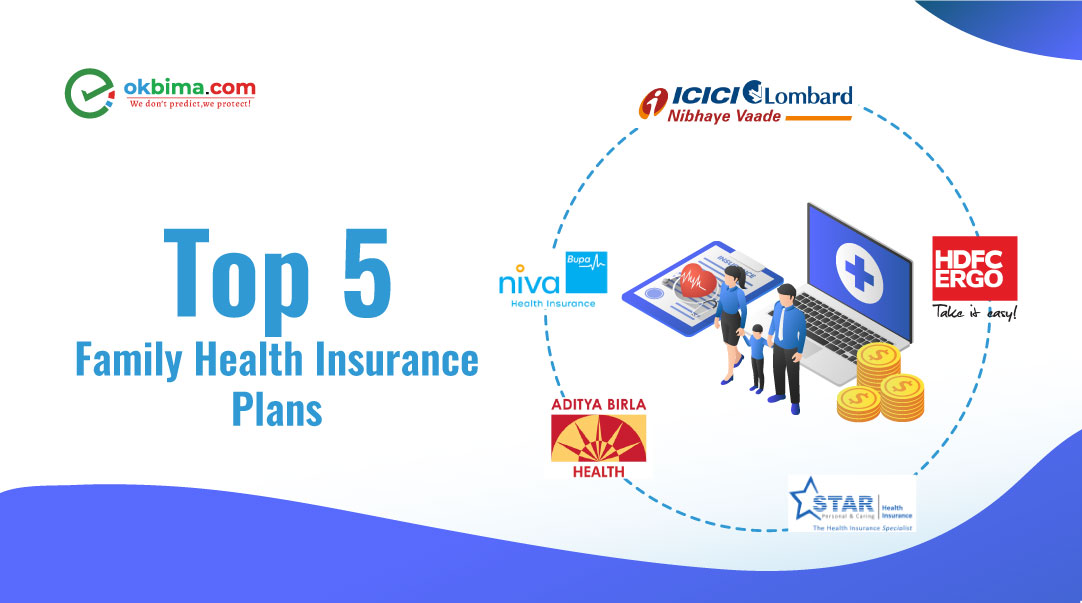
Family Health Insurance Protection

Health Insurance Plan

Coverage Amount

₹5 Lakhs

Per family

Annual Premium

₹25,000

Or ₹2,100/month

Family Coverage

Parents + You

Optional: Sister

Key Features to Look For:

  • No room rent limit
  • 99%+ claim settlement ratio
  • Cashless facility at nearby hospitals
  • No waiting period for accidents

Term Life Insurance Plan

Coverage Amount

₹50 Lakhs

For father first

Annual Premium

₹25,000

Or ₹2,100/month

Policy Term

10 Years

Premium locked

Why Term Insurance?

Term insurance provides maximum coverage at the lowest cost. It's pure protection without any investment component, making it the most efficient way to secure your family's financial future.

Strategic Investment Allocation

Two-Tier Investment Approach

After securing insurance protection, divide your ₹20,000 monthly investment into two strategic buckets: family contribution and personal wealth creation.

Family Investment (₹10,000)

Conservative, safe investments for family needs

Personal Investment (₹10,000)

Growth-oriented investments for wealth creation

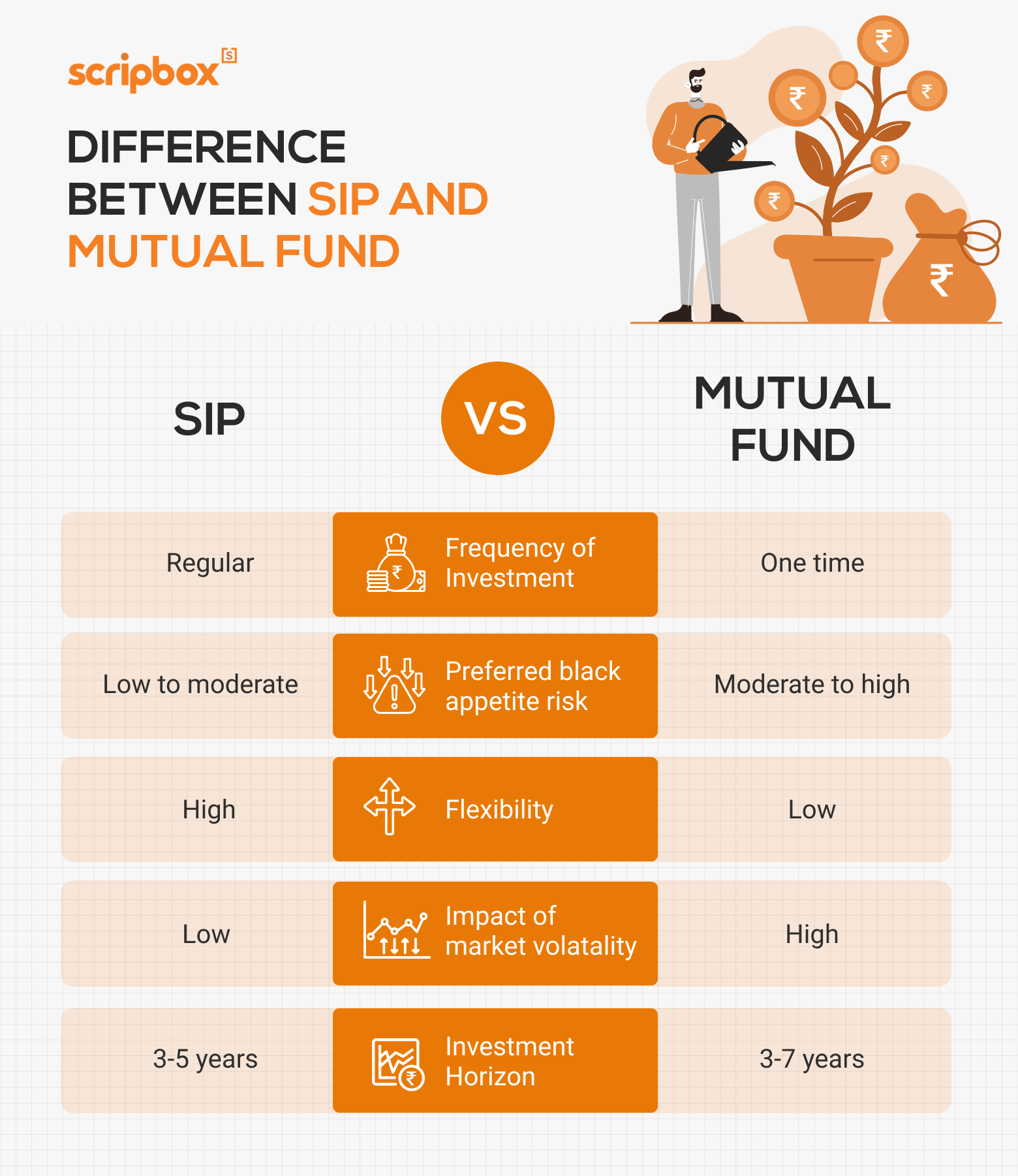
SIP vs Mutual Fund Investment Strategy

Family Investment Portfolio (₹10,000/month)

Debt Mutual Funds

Allocation: ₹2,500/month (25%)
Expected Return: 7-8% p.a.

Low risk, steady returns, better than FD

Nifty 50 Index Fund

Allocation: ₹2,500/month (25%)
Expected Return: 12-15% p.a.

Top 50 companies, moderate risk

Family Portfolio Benefits:

  • Sister's marriage fund
  • Home renovation needs
  • Family emergencies
  • Parental support

Personal Wealth Portfolio (₹10,000/month)

Large Cap (40%)

₹4,000

Nifty 50 Index

Stable Growth

Mid Cap (30%)

₹3,000

Mid Cap Funds

Higher Growth

Small Cap (30%)

₹3,000

Small Cap Funds

Maximum Growth

Portfolio Characteristics:

  • Expected Return: 18% p.a.
  • Investment Horizon: 10+ years
  • Risk Level: Moderate to High
  • Rebalancing: Annual review

Wealth Creation Projections

The Power of Compounding

With consistent SIP investments and annual step-ups, your wealth can grow exponentially. Here's what your ₹20,000 monthly investment can achieve over different time periods.

Key Success Factors:

  • • Consistency is crucial
  • • Annual 10% step-up in SIP
  • • Long-term investment horizon
  • • Discipline to stay invested
Indian Rupee Investment Growth

Investment Growth Timeline

10 Years

₹46 Lakhs

Starting phase

20 Years

₹4 Crores

Substantial growth

30 Years

₹27 Crores

Retirement corpus

Portfolio Comparison

Time Period Family Portfolio (₹10,000) Personal Portfolio (₹10,000) Total Wealth
10 Years ₹17 Lakhs ₹29 Lakhs ₹46 Lakhs
15 Years ₹35 Lakhs ₹75 Lakhs ₹1.1 Crores
20 Years ₹75 Lakhs ₹3.25 Crores ₹4 Crores
30 Years ₹4 Crores ₹23 Crores ₹27 Crores

Your Step-by-Step Action Plan

Implementation Timeline

Follow this systematic approach to implement your financial plan. Start with protection, then move to investments. Each step builds upon the previous one for maximum financial security.

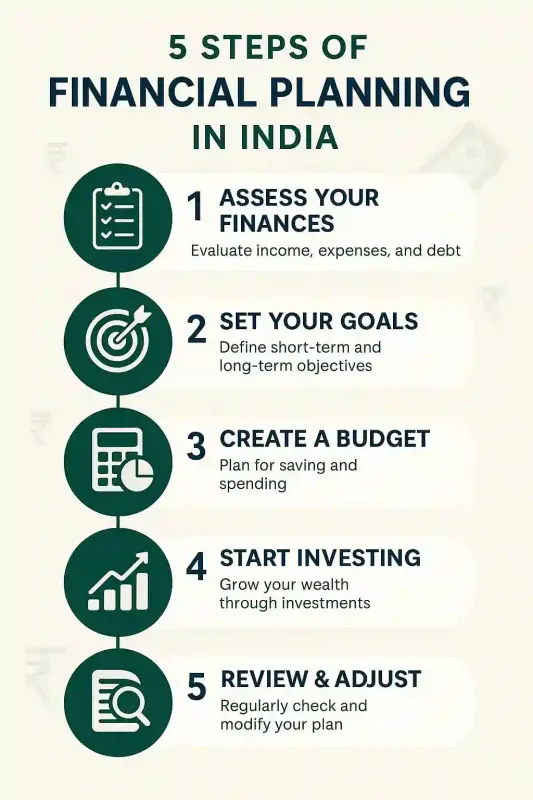
5 Steps Financial Planning India
1

Months 1-3: Health Insurance Setup

Save ₹30,000 over 3 months from your ₹10,000 family allocation

  • Research health insurance providers
  • Compare claim settlement ratios
  • Purchase ₹5 lakh family floater policy
  • Ensure cashless facility at nearby hospitals
2

Months 4-5: Term Life Insurance

Save ₹25,000 over 2 months for term insurance

  • Purchase ₹50 lakh term insurance for father
  • Choose 10-year policy term
  • Ensure premium is locked for entire term
  • Nominate family members properly
3

Month 6 Onwards: Start SIP Investments

Begin systematic investment plan with full ₹20,000 allocation

Family Portfolio SIPs:

  • • Debt Fund: ₹2,500/month
  • • Nifty 50: ₹2,500/month
  • • Insurance: ₹4,200/month
  • • Buffer: ₹800/month

Personal Portfolio SIPs:

  • • Large Cap: ₹4,000/month
  • • Mid Cap: ₹3,000/month
  • • Small Cap: ₹3,000/month
4

Annual Review & Step-up

Every year, increase your SIP by 10% and review performance

  • Increase SIP amounts by 10% annually
  • Review portfolio performance
  • Rebalance if necessary
  • Increase insurance coverage as income grows

Pro Tips for Success

  • Automate all SIP investments
  • Never stop SIP during market downturns
  • Keep emergency fund separate
  • Track expenses regularly
  • Increase investment as salary grows
  • Stay disciplined for long-term

Important Disclaimers

Investment Risk Warning: All investments in mutual funds and market-linked instruments are subject to market risks. Past performance does not guarantee future results. Please read all scheme-related documents carefully before investing.

Insurance Guidance: Insurance recommendations are for general guidance only. Please consult with certified insurance advisors and compare multiple policies before making decisions. Premium amounts may vary based on age, health conditions, and policy features.

Financial Planning: This article provides educational content for financial planning awareness. It is not personalized financial advice. Please consult with qualified financial advisors for investment decisions suited to your specific circumstances.

Market Projections: All return projections are illustrative and based on historical market performance. Actual returns may vary significantly due to market volatility, economic conditions, and other factors.

Regulatory Compliance: Ensure all investments comply with current regulatory guidelines. Tax implications may apply to investments and insurance products. Consult tax advisors for specific guidance.

Your Financial Success Journey Starts Now

Key Takeaways

  • Protection before investment always
  • Consistency beats timing the market
  • Start early, benefit from compounding
  • Diversification reduces risk

Remember

Building wealth is a marathon, not a sprint. With disciplined investing and the right strategy, your ₹25,000 salary can create substantial wealth over time. Stay consistent, stay invested, and watch your money grow!

© 2024 Financial Planning Guide. Created for educational purposes.

Always consult with qualified financial advisors before making investment decisions.

Tuesday, 12 August 2025

NRI Investment Guide 2026: Best Ways to Invest in India, Tax Basics, NRE/NRO/FCNR, Mutual Funds, Stocks & GIFT City

NRI Investment Guide 2026: Best Ways to Invest in India, Tax Basics, NRE/NRO/FCNR, Mutual Funds, Stocks & GIFT City

Updated: April 2026 | Category: NRI Finance | Reading Time: 14-16 minutes

Mumbai skyline representing NRI investment opportunities in India

Featured image source: Pexels

Quick Summary: If you are a Non-Resident Indian and want to invest in India in 2026, this guide will help you understand the smartest routes available today: NRE, NRO and FCNR deposits, Indian mutual funds, direct stocks, practical PIS vs Non-PIS choices, and the growing opportunity of GIFT IFSC. It also explains repatriation basics, tax caution points, and how to build a practical NRI portfolio.

Why NRIs Still Matter So Much to India’s Financial Story in 2026

India continues to be the world’s top remittance recipient, and that alone shows the scale of the NRI economic contribution. According to the World Bank, India was expected to receive about $129 billion in remittances in 2024, remaining the biggest recipient among low- and middle-income countries. For NRIs, this is not just an emotional connection to India. It is also a serious capital allocation opportunity. [Source]

In 2026, the India story remains attractive for many NRIs because it offers a mix of growth potential, home-market familiarity, access to domestic consumption themes, and the ability to diversify beyond the markets where they currently live and work. But investing in India as an NRI is not just about returns. It is also about choosing the right account structure, staying compliant, understanding tax treatment, and avoiding costly mistakes.

Table of Contents

Why NRIs Invest in India in 2026

For many NRIs, investing in India is not just about patriotism. It is about practical long-term planning. You may be saving for a home purchase in India, building a retirement base for your future return, supporting parents, creating rupee assets for future liabilities, or simply participating in India’s long-term growth. India also gives NRIs a way to diversify beyond concentrated exposure to one economy or one currency.

There is also a clear “home advantage.” You understand Indian brands, spending behavior, banking habits, policy sensitivity, regional differences, and family priorities better than most foreign investors. That edge matters when you think long term. At the same time, emotional familiarity should never replace due diligence. Smart NRI investing is structured, not sentimental.

Important mindset: The best NRI investment plan is not the one with the highest advertised return. It is the one that matches your goals, time horizon, tax residency, currency risk, and repatriation needs.

NRE vs NRO vs FCNR: The Foundation Every NRI Must Understand

Before you think about mutual funds, stocks, bonds, or GIFT City, you need to understand your account structure. This is the foundation of NRI investing in India.

NRE Account

An NRE (Non-Resident External) account is maintained in Indian rupees and is commonly used for parking foreign earnings remitted to India. RBI states that NRE accounts are repatriable and income earned in them is exempt from Indian income tax. [Source]

NRO Account

An NRO (Non-Resident Ordinary) account is also held in Indian rupees, but it is mainly used for managing income generated in India, such as rent, pension, dividends, or other legitimate dues. RBI states that NRO accounts are taxable, and repatriation is not fully open in the same way as NRE or FCNR accounts, except for current income and up to the permitted limit of USD 1 million per financial year, subject to applicable rules. [Source]

FCNR(B) Account

An FCNR(B) account is a foreign currency term deposit. Unlike NRE and NRO accounts, it is maintained in permitted foreign currencies rather than Indian rupees. RBI notes that FCNR(B) deposits are repatriable and the income earned is exempt from Indian income tax. This route is often relevant for NRIs who want to reduce direct rupee currency risk on deposit holdings. [Source]

Simple Rule of Thumb

  • NRE: for foreign income sent to India
  • NRO: for income arising in India
  • FCNR(B): for foreign-currency fixed deposits with Indian banks

Fixed Deposits: The Low-Stress Starting Point

If you are a conservative investor, or if a part of your India allocation is meant for short- to medium-term goals, fixed deposits can still play a role in 2026. They are simple, familiar, and useful for parking capital while you decide on longer-term allocations.

NRE fixed deposits may appeal to NRIs who want repatriability and Indian tax exemption, but the return must always be viewed alongside rupee movement. A high nominal deposit rate can look attractive, but your effective return in your home currency may be lower if the rupee weakens materially over time. FCNR(B) deposits can help reduce that direct currency risk because the deposit is maintained in foreign currency. RBI’s framework makes this difference very clear. [Source]

So, should you choose NRE FD or FCNR(B)? A practical answer is this:

  • Choose NRE FD if you are comfortable with rupee exposure and may use the money in India.
  • Choose FCNR(B) if you want deposit stability in foreign currency and plan to measure returns in that currency.
  • Use NRO FD mainly for Indian income that is already sitting in your NRO account and is intended for India-linked needs.

Mutual Funds for NRIs: One of the Easiest Ways to Build India Exposure

For most NRIs who do not want to research individual stocks every week, Indian mutual funds remain one of the simplest and most scalable ways to invest. SEBI’s investor education material says that NRIs with an NRE or NRO bank account can invest in Indian mutual funds after completing KYC, on both repatriable and non-repatriable basis. It also notes that NRIs can invest directly with the fund house or choose regular plans through a distributor. [Source]

Mutual funds can work well because they offer diversification, professional management, and access to themes that are difficult to build efficiently with only a few direct stock purchases. In practice, most NRI investors build exposure through broad equity funds, index funds, large-cap strategies, flexi-cap funds, hybrid allocation, or debt-oriented products depending on goals and risk profile.

However, this is where NRIs must slow down and think about country-of-residence tax consequences. SEBI’s investor material itself notes that some fund houses may not accept applications from US- and Canada-based NRIs. That is a major practical point. If you live in a jurisdiction with complex overseas fund taxation, do not assume that an Indian mutual fund is automatically tax-efficient just because it is convenient. [Source]

Tax caution: If you are based in countries with worldwide taxation or complex offshore fund rules, always verify local tax treatment before investing in Indian mutual funds. Convenience without tax clarity can become expensive.

Who Should Consider Mutual Funds?

  • NRIs building long-term wealth gradually
  • Busy professionals who do not want to actively track stocks
  • Investors who want systematic exposure through SIP-style investing
  • People planning future rupee goals such as property, retirement in India, or family support

Direct Stocks: Higher Control, Higher Responsibility

If mutual funds are the “delegate it” route, direct stocks are the “do it yourself” route. SEBI’s investor education content says NRIs can invest in equity shares, ETFs, bonds, and several other securities, subject to account setup, KYC, and applicable rules. It also notes that for stock market participation under the Portfolio Investment Scheme, certain account and permission requirements may apply. [Source]

Direct stock investing gives you more control, but it also demands more work. You need to study businesses, understand valuations, track compliance, and manage concentration risk. If you only buy a few familiar names because you know the brand, that is not diversification. That is familiarity bias.

PIS vs Non-PIS: The Practical Difference

In day-to-day execution, many NRIs get confused between PIS and Non-PIS. A useful practical breakdown comes from Zerodha’s NRI help material. It explains that PIS accounts can be linked to NRE or NRO routes for certain equity investments, while Non-PIS is often simpler operationally and typically works through NRO-based structures. It also highlights that Non-PIS can be cheaper, faster in funding, and operationally easier in many situations, while PIS involves extra banking coordination and permissions. [Source]

That does not mean one route is universally better. It depends on whether you need repatriation, what segments you want to use, which broker and bank you work with, and how much administrative complexity you are willing to tolerate. In plain English: if simplicity matters, many NRIs now evaluate Non-PIS more seriously. If repatriable equity investing is central, PIS may still matter in your setup.

Best Use Cases for Direct Stocks

  • Experienced investors who understand Indian businesses
  • NRIs who want concentrated high-conviction exposure
  • Investors comfortable with volatility and research
  • Those who want to combine core mutual funds with satellite stock ideas

GIFT IFSC in 2026: Why More NRIs Are Paying Attention

GIFT IFSC has become one of the most interesting developments in the NRI investing landscape. According to the International Financial Services Centres Authority (IFSCA), GIFT IFSC is designed as India’s international financial services hub, offering a global-style regulatory environment, foreign currency transactions, and access to a growing menu of investment products and services. [Source]

IFSCA highlights several NRI-oriented advantages in GIFT IFSC, including foreign currency accounts, access to international remittances, capital market products, global trading windows, and investment opportunities through IFSC exchanges, funds, and other structures. It also points to benefits such as lower friction in some offshore-style transactions and access to products that can better suit internationally mobile investors. [Source]

In practical terms, GIFT IFSC matters because it can potentially solve three common NRI concerns at once:

  • currency convenience
  • access to India-linked opportunities through a global-style framework
  • more efficient structuring for internationally diversified portfolios

Still, GIFT IFSC is not a magic shortcut. It is a platform, not a guarantee. Product quality, tax treatment in your country of residence, liquidity, fees, and suitability still matter.

What About Real Estate, Gold, and Alternative Assets?

Many NRIs naturally think of Indian real estate first. That is understandable, but property is not automatically the best first investment. Real estate can be illiquid, paperwork-heavy, locally sensitive, and management-intensive. It may make sense if your goal is self-use, family support, retirement planning, or long-term capital parking in a specific city. But it should not be romanticized as the only “real” asset in India.

Gold can play a defensive role for some families, especially where gold already functions as a cultural savings asset. But from a portfolio perspective, it should usually be a supporting component, not the full strategy. A balanced NRI India allocation is often more effective when it combines liquidity, growth exposure, and goal-based planning instead of chasing a single asset class.

Tax and Compliance Basics NRIs Should Not Ignore

This is the part many investors skip—and regret later. Your India investment strategy should always be built with two tax systems in mind: India’s rules and your country-of-residence rules. An investment that looks efficient in India may be inefficient in your resident country. That is why tax planning is not an afterthought for NRIs. It is a design principle.

From official RBI guidance, one of the clearest distinctions is that NRE and FCNR(B) income is exempt from Indian income tax, while NRO income is taxable in India. Repatriation treatment also differs sharply between these account types. [Source]

From a securities perspective, SEBI’s investor material makes it clear that KYC, PAN, overseas address proof, and FATCA-related declarations can be part of the process. It also notes that NRIs can invest in Indian mutual funds after KYC and that account structure matters depending on whether the basis is repatriable or non-repatriable. [Source]

Practical checklist before you invest:

  • confirm your current tax residency
  • check whether the product is repatriable or non-repatriable
  • verify whether the investment creates reporting requirements in your resident country
  • maintain PAN, KYC, bank linkage, and broker records properly
  • never assume “tax-free in India” means tax-free everywhere

A Simple NRI Portfolio Framework for 2026

There is no one perfect NRI portfolio, but here is a simple way to think about allocation:

1. Safety Bucket

Use NRE deposits, FCNR(B), or other low-volatility instruments for emergency liquidity, planned transfers, near-term India goals, or family support needs.

2. Core Growth Bucket

Use diversified mutual funds or broad market exposure for long-term wealth creation. This is often the backbone of an India-focused portfolio.

3. High-Conviction Bucket

Use direct stocks, sector themes, or specialized India exposure only if you truly understand the risk and can tolerate volatility.

4. Strategic Global-India Bucket

Explore GIFT IFSC if you want a more internationally aligned route for India-linked access, foreign currency interaction, or broader market flexibility.

A beginner NRI investor should usually focus on simplicity first: correct account setup, emergency liquidity, diversified core investing, and careful tax review. Complexity can be added later. It should not be the starting point.

Pro Tip: If you cannot clearly explain why you own an India investment, how it will be taxed, and when you may need the money, you are probably not investing—you are guessing.

Common NRI Investment Mistakes to Avoid in 2026

  • opening the wrong account type and fixing it later
  • chasing only interest rates without thinking about currency risk
  • buying mutual funds without checking tax treatment in the country of residence
  • overconcentrating in a few familiar Indian stocks
  • confusing repatriability with liquidity
  • ignoring paperwork, KYC updates, or compliance records
  • treating real estate as the only serious India investment option

Final Thoughts

India remains one of the most emotionally and financially important markets for NRIs in 2026. But the smartest NRI investors are not the ones who invest the fastest. They are the ones who bui

Monday, 11 August 2025

NRIs Investments in Indian Stock Market | Investing for Beginners 2026 | NRI FINANCE

Financial Planning for Young Adults in 2025: How to Clear Debt, Build an Emergency Fund, and Start Investing Smartly

Updated: April 2026 | Category: Personal Finance | Reading Time: 12-15 minutes

Young person saving money in a piggy bank for financial planning

Featured image source: Pexels

Quick Summary: If you are young, earning, struggling with savings, worried about loans, or confused about where to invest first, this guide will help you create a realistic financial plan step by step. We will cover budgeting, debt repayment, emergency funds, smart investing, and financial habits that can change your future.

Why Financial Planning Matters More Than Ever for Young People

For many young adults, money disappears faster than it arrives. Salary comes in, bills go out, subscriptions renew, shopping happens, EMIs get deducted, and suddenly the month ends with no savings. This cycle feels normal, but it is dangerous. If you do not control your money early, your money will control your choices later.

Financial planning is not only for rich people, married couples, or people nearing retirement. It is for students starting their first job, freelancers with irregular income, young professionals living in cities, and anyone who wants peace of mind. The earlier you build smart money habits, the easier your future becomes.

Good financial planning starts with people-first, useful, trustworthy content and practical decisions, not shortcuts or fake promises. Google also recommends creating helpful, original content written for people rather than search engines, and stresses clarity, trust, strong page titles, and useful structure [Source](https://developers.google.com/search/docs/fundamentals/creating-helpful-content) [Source](https://developers.google.com/search/docs/fundamentals/seo-starter-guide).

Table of Contents

The Biggest Money Mistakes Young Adults Make

Most financial problems do not start with low income. They start with poor structure. Young earners often make the same mistakes: spending first and saving later, using credit cards for lifestyle purchases, ignoring emergency savings, taking personal loans for avoidable expenses, and investing randomly because of social media trends.

Another common mistake is trying to look financially successful instead of becoming financially stable. Expensive phones, unnecessary bike upgrades, branded fashion, weekend spending, online impulse buying, and EMI-based living can create a financial image of success while silently building stress underneath.

If you are in your 20s or early 30s, your biggest advantage is not high salary. It is time. Even small financial corrections made today can create massive long-term results.

A Real-Life Financial Planning Example

Imagine a 27-year-old working professional earning a monthly take-home income of ₹35,000. Rent, food, commuting, family support, and basic bills take away around ₹24,000. On paper, ₹11,000 should remain. But there is also a personal loan EMI of ₹4,500, a credit card due, random online spending, and no emergency savings. By the end of the month, almost nothing is left.

This is not an uncommon story. Many young people are not broke because they earn too little. They are stuck because they have no system. Once you create a system, your money starts behaving differently.

Important lesson: A salary is not a financial plan. A budget, debt strategy, emergency fund, and disciplined investing together create real financial stability.

Step 1: Build a Budget That Actually Works

A budget should not feel like punishment. It should feel like control.

Start with this basic formula:

Income - Fixed Expenses - Debt Payments - Essential Lifestyle Costs = Actual Monthly Surplus

Now divide your spending into four buckets:

  • Essentials: rent, food, electricity, transport, medicines
  • Financial obligations: EMI, loan repayment, insurance premiums
  • Growth: savings, emergency fund, investments
  • Lifestyle: eating out, entertainment, shopping, subscriptions

If you do not know where your money goes, check your last 60 days of bank statements and UPI history. You will usually find the problem quickly: food delivery, impulse purchases, frequent small spends, and payments you barely remember making.

A simple practical rule for youth is this:

  • 50-60% for essentials
  • 10-20% for savings and debt reduction
  • 10-20% for future investing
  • rest for lifestyle, only if affordable

Budgeting and cash-flow awareness are core parts of building savings and avoiding future debt traps [Source](https://www.consumerfinance.gov/an-essential-guide-to-building-an-emergency-fund/).

Step 2: Clear Debt the Smart Way

If you have debt, do not panic. But do not ignore it either.

List every debt in one place:

  • loan name
  • total outstanding amount
  • interest rate
  • minimum monthly payment
  • late fee risk

Now prioritize in this order:

  1. Credit card debt
  2. High-interest personal loans
  3. Informal borrowing with pressure or interest
  4. Other structured loans

Why start with credit cards? Because credit card debt can become one of the most expensive forms of borrowing if balances are not cleared fully every month. If you only pay the minimum due, the remaining balance keeps attracting charges and traps your future income.

You can choose one of two debt payoff methods:

1. Avalanche Method

Pay the highest-interest debt first while continuing minimum payments on the rest. This saves more money in the long run.

2. Snowball Method

Pay the smallest debt first for motivation, then move to the next. This is emotionally powerful for beginners.

If you are disciplined, the avalanche method is usually stronger. If you lose motivation easily, snowball can help you stay consistent.

Step 3: Build an Emergency Fund Before Chasing Big Returns

One of the smartest moves any young adult can make is building an emergency fund. This is money kept aside only for real emergencies such as medical expenses, urgent travel, job loss, family needs, or sudden repairs.

Without emergency savings, even a small financial shock can push you into loans or credit card debt. Consumer finance guidance also explains that emergency savings help people recover faster from unexpected events and reduce dependence on debt [Source](https://www.consumerfinance.gov/an-essential-guide-to-building-an-emergency-fund/).

How much should you save?

  • Starter goal: ₹10,000 to ₹25,000
  • Next goal: 1 month of expenses
  • Strong goal: 3 to 6 months of expenses

If that sounds too much, start very small. Even ₹50, ₹100, or ₹200 saved regularly is better than zero. The habit matters first.

Best ways to build an emergency fund:

  • set auto-transfer on salary day
  • save part of bonuses or gift money
  • cut 2-3 unnecessary monthly expenses
  • keep the money in a separate bank account
  • do not connect it to frequent spending apps if you are impulsive
Savings and financial planning concept image for emergency fund and money goals

Image source: Public Domain Pictures

Step 4: Start Investing With Confidence, Not Confusion

Once you have basic control over spending and at least a starter emergency fund, you can begin investing. Many young people delay investing because they think they need a lot of money. That is not true. What matters most is starting early and staying consistent.

For beginners, one of the simplest ways to invest is through a systematic approach like SIPs in mutual funds, where small amounts are invested regularly over time. SEBI’s investor education material highlights that mutual funds offer professional management, diversification, transparency, convenience, and SIP options for regular investing [Source](https://investor.sebi.gov.in/understanding_mf.html).

That does not mean you should invest blindly. Before investing, ask:

  • What is my goal?
  • How long can I stay invested?
  • Can I handle ups and downs?
  • Am I investing after clearing high-interest debt?

For most young beginners, broad categories of goals look like this:

  • Short-term goals: gadgets, travel, exam fees, emergency top-up
  • Medium-term goals: higher education, vehicle, business fund
  • Long-term goals: home down payment, wealth building, retirement

A smart beginner mindset is simple: first build discipline, then build wealth. Do not invest because a friend, influencer, or random reel told you to. Invest because your plan says it makes sense.

How Much Should a Young Adult Save and Invest Every Month?

There is no one perfect number, but a strong beginner approach is this:

  • save something every month, even if small
  • clear high-interest debt aggressively
  • build emergency fund steadily
  • start investments with an amount you can continue for years

Consistency beats intensity. A person who invests a modest amount every month for years often beats someone who starts late with bigger amounts.

Credit Card Rules Every Young Person Should Follow

Credit cards are not evil, but careless use can destroy your financial progress.

  • Never spend on a credit card unless you already have the money to repay it.
  • Always aim to pay the full bill, not just the minimum due.
  • Do not use multiple cards unless you are highly disciplined.
  • Do not lend your card to friends or relatives.
  • Track due dates and turn on alerts.
  • Avoid using credit cards for emotional spending.

If your current credit card balance is already stressing you out, stop new discretionary spending immediately and shift into payoff mode.

Money Habits That Can Make You Richer in the Long Run

Financial success is not usually built through one lucky investment. It is built through repeatable habits:

  • track every rupee for 30 days
  • pay yourself first on salary day
  • avoid lifestyle inflation after every raise
  • increase savings when income grows
  • review goals every 3 months
  • learn before investing
  • keep your financial life simple

Simple habits look boring, but boring often wins in personal finance.

Financial Planning for Students, Freelancers, and First Jobbers

If you are still studying or your income is irregular, your financial plan will look a little different. Your first goal should be cash discipline, not complex investing.

For students

Learn budgeting, avoid unnecessary debt, and start a small savings habit.

For freelancers

Create an irregular income fund, save more during high-income months, and separate personal and work money.

For first job holders

Do not celebrate your first salary by locking yourself into long EMIs. Start with savings, emergency fund, and skill-building.

Your 90-Day Financial Reset Plan

Days 1-7

  • write down total income
  • list all expenses
  • list every debt
  • stop unnecessary subscriptions

Days 8-30

  • create a simple monthly budget
  • start a small emergency fund
  • cut impulsive spending
  • set up payment reminders

Days 31-60

  • pay extra toward the highest-priority debt
  • build a one-month spending buffer if possible
  • discuss money openly with family if needed

Days 61-90

  • review your progress
  • increase savings by a small percentage
  • begin a disciplined investment plan if debt is under control
  • set 1-year and 3-year financial goals

Pro Tip: Do not wait for the perfect salary, perfect month, or perfect plan. Start with the money you have, improve gradually, and stay consistent.

How to Make Your Financial Plan Sustainable

The best financial plan is not the most advanced one. It is the one you can follow for years.

If your budget is too strict, you will quit. If your savings goals are unrealistic, you will lose motivation. If your investing plan is based on hype, you will eventually make emotional mistakes.

Keep it realistic. Keep it honest. Keep it simple.

Final Thoughts

If you are young and serious about changing your future, financial planning is one of the most powerful skills you can build. The goal is not to look rich. The goal is to become stable, free, and confident. First control spending. Then clear toxic debt. Then build emergency savings. Then invest with patience. This is how real wealth starts.

The biggest change in money does not come from one dramatic move. It comes from one good decision repeated every month.

Frequently Asked Questions

1. What is the first step in financial planning for young adults?

The first step is understanding your income, expenses, and debt clearly. Without that, no budget or investment plan will work.

2. Should I save first or pay debt first?

If your debt is high-interest, especially credit card debt, prioritize clearing it while also building a small emergency fund.

3. How much emergency fund should I have?

Start with a small target like ₹10,000 to ₹25,000, then slowly build toward 3 to 6 months of essential expenses.

4. Can I start investing with a small amount?

Yes. Starting small and staying consistent is often better than waiting for a large amount.

5. Are mutual funds good for beginners?

For many beginners, mutual funds can be a practical option because they offer diversification and professional management, but every person should invest according to their goals and risk profile [Source](https://investor.sebi.gov.in/understanding_mf.html).

6. Is credit card debt dangerous?

It can become dangerous very quickly if you do not clear the balance in full and keep spending beyond your repayment ability.

Disclaimer

This article is for educational purposes only and does not constitute personalized financial, legal, or investment advice. Always do your own research and consult a qualified professional before making major financial decisions.

Recommended Image Credits for This Article

Sources

POWER of Financial PLANNING! | Money Matters 2025

The Power of Financial Planning: How a 33-Year-Old Built a ₹5+ Crore Retirement Corpus on ₹30,000 Monthly Income

The Power of Financial Planning: Building a ₹5+ Crore Retirement Corpus

How a 33-Year-Old Government Employee from West Bengal Created Massive Wealth on Just ₹30,000 Monthly Income

December 2024 15 min read Financial Planning

Important Disclaimer

This article is for informational purposes only and should not be considered as financial advice. The content is based on a case study from Ankur Warikoo's Money Matters series. Please consult with qualified financial professionals before making any investment decisions. Past performance does not guarantee future results.

The Inspiring Story of Arindam

In a world where many believe that building significant wealth requires a high income, Arindam's story proves otherwise. This 33-year-old medical technologist from Kalyani, West Bengal, earning just ₹30,000 per month, has successfully built an investment portfolio that's projected to grow into a retirement corpus of over ₹5 crores.

Featured in Ankur Warikoo's popular "Money Matters" series, Arindam's journey demonstrates the transformative power of disciplined financial planning, strategic investing, and long-term wealth building - regardless of your income level.

Key Achievement Highlights:

  • • Built ₹9+ lakh investment portfolio in just 2-3 years
  • • Saved ₹12 lakh for home down payment
  • • Projected ₹5.37 crore retirement corpus by age 60
  • • Complete family insurance coverage
Retirement Planning Through Mutual Funds

Meet Arindam: The Middle-Class Wealth Builder

Personal Profile

Age: 33 years
Location: Kalyani, West Bengal
Job: Government Medical Technologist (Contractual)
Family: Wife, 2.5-year-old daughter, Mother
Monthly Income: ₹30,000 (in-hand)

Financial Challenges

Recent Loss: Father passed away in February, affecting family dynamics
Job Security: Contractual position with uncertain pension benefits
Housing: Currently paying ₹7,000/month rent
Growing Expenses: Child's education costs approaching

Current Investment Portfolio Analysis

Portfolio Composition

Mutual Fund SIPs ₹4,000/month
• Large Cap (Nifty 50): ₹2,000
• Flexi/Mid Cap: ₹1,500
• Small Cap: ₹500
• Child Education Fund: ₹1,000 (separate)
NPS Contribution ₹500/month
Started 2 years ago with 10% annual step-up
Gold Investment 5 grams
Started with daughter's birth, accumulated gradually
EPF Contribution ₹3,600/month
₹1,800 employee + ₹1,800 employer contribution
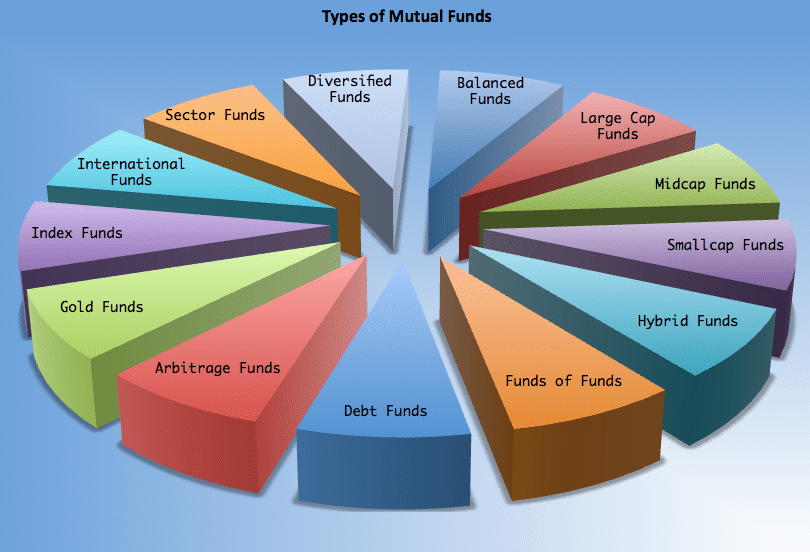
Types of Mutual Funds for Diversification

Current Portfolio Value

Total Investments: ₹9+ lakhs

Home Down Payment Fund: ₹10 lakhs (in liquid funds)

Investment Duration: 2-3 years

Monthly Savings Rate: ₹7,500+ (25% of income)

Strategic Home Loan Planning

Property Purchase Details

Property Value: ₹25 Lakhs

• Down Payment Paid: ₹2 lakhs ✓

• Additional Payment Arranged: ₹10 lakhs ✓

• Home Loan Required: ₹13 lakhs

• Expected Completion: 1.5-2 years

EMI Calculation

• Loan Amount: ₹13 lakhs

• Interest Rate: 8.5% annually

• Loan Tenure: 20 years

Monthly EMI: ₹11,280

EMI Affordability Analysis

• Current Rent: ₹7,000/month

• Net Additional EMI: ₹4,280/month

• Current Monthly Savings: ₹7,500

Easily Affordable! ✓

Home Loan EMI Calculator Guide

Smart Strategy Tips

  • • Pay one extra EMI annually to reduce tenure
  • • Increase EMI by 10% yearly if possible
  • • With these strategies: 20-year loan becomes 9-10 years!
  • • Rent savings (₹7,000) makes EMI very manageable

Retirement Corpus Projection: The ₹5+ Crore Journey

₹25.9 Lakhs

At Age 43 (10 years)

Early wealth accumulation

₹1.62 Crores

At Age 53 (20 years)

Crossing the crore mark

₹5.37 Crores

At Age 60 (27 years)

Retirement corpus target

Projection Breakdown by Asset Class:

Equity MFs (₹4,000 SIP)

₹5.37 crores at 60

NPS (₹500)

₹5.25 lakhs at 60

Gold (5g)

₹4.58 lakhs at 60

EPF

₹37.8 lakhs at 60

Key Success Strategies: What Made Arindam's Plan Work

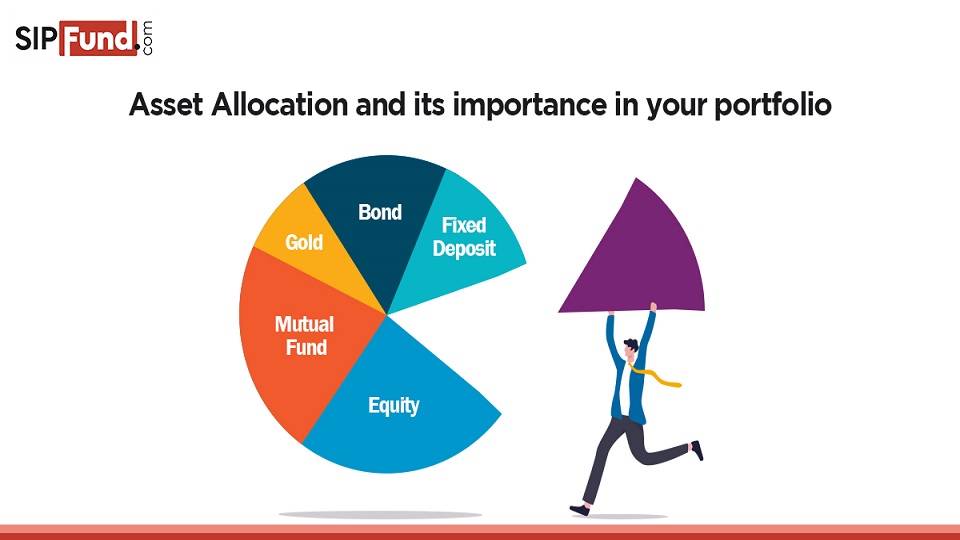
Asset Allocation Strategy

1. Disciplined SIP Investing

Started with just ₹1,000/month and gradually increased to ₹4,000 with 10% annual step-up. Consistency over 2-3 years created substantial corpus.

2. Smart Diversification

Balanced portfolio across Large Cap (₹2,000), Flexi Cap (₹1,500), and Small Cap (₹500) funds to optimize risk-return balance.

3. Goal-Based Planning

Separate funds for home purchase (liquid funds) and child's education, ensuring goals don't conflict with each other.

4. Comprehensive Protection

₹75 lakh term insurance until age 70, separate health insurance for family and mother, ensuring complete financial protection.

5. Strategic Home Buying

Planned home purchase with adequate down payment, ensuring EMI doesn't strain monthly budget after rent savings.

6. Continuous Learning

Followed financial education content consistently, applied learnings systematically without getting overwhelmed by complexity.

The Master Formula

  • ✓ Start early, even with small amounts
  • ✓ Increase investments by 10% annually
  • ✓ Diversify across asset classes
  • ✓ Stay consistent through market ups and downs
  • ✓ Plan for specific goals separately
  • ✓ Protect your wealth with adequate insurance

Practical Lessons for Middle-Class Families

Monthly Budget Breakdown

Monthly Income (In-hand) ₹30,000
Total Expenses ₹22,500
Rent: ₹7,000 | Utilities: ₹1,500 | Groceries: ₹3,500 | Transport: ₹2,000 | Medicine: ₹2,000 | Vegetables: ₹1,500 | Others: ₹5,000
Available for Savings/Investment ₹7,500
Savings Rate 25%

Implementation Roadmap

Month 1-6: Foundation

  • • Start with ₹1,000 SIP in diversified equity fund
  • • Open separate savings account for emergency fund
  • • Get basic health and term insurance

Month 6-12: Expansion

  • • Increase SIP to ₹2,000 across 2-3 funds
  • • Start NPS with ₹500/month
  • • Build 6-month emergency fund

Year 2+: Optimization

  • • Increase SIP by 10% annually
  • • Add goal-based investments
  • • Review and rebalance portfolio yearly

Expert Financial Planning Tips

Start Small, Think Big

Don't wait for a perfect salary to start investing. Even ₹500/month can compound into lakhs over 20-25 years. The key is to begin today and increase gradually.

Diversify Wisely

Spread investments across Large Cap (stability), Mid Cap (growth), and Small Cap (high growth potential). This balanced approach reduces risk while maximizing returns.

Time Is Your Friend

The earlier you start, the more time your money has to compound. Starting at 30 vs 40 can mean the difference between ₹5 crores and ₹2 crores at retirement.

Arindam's Success Mantras

  • "Small steps consistently taken lead to big results"
  • "Don't let low salary become an excuse for not investing"
  • "Educate yourself through reliable financial content"
  • "Plan for specific goals separately"
  • "Protection is as important as growth"
  • "Stay disciplined through market volatility"

The Power of Financial Discipline

Mutual Funds Retirement Strategy

Arindam's story is a powerful reminder that wealth building is not about how much you earn, but how wisely you manage and invest what you have. His journey from a government employee earning ₹30,000 to building a projected ₹5+ crore retirement corpus demonstrates the extraordinary power of financial discipline and strategic planning.

The key takeaways from his success are clear: start early, stay consistent, diversify intelligently, and never underestimate the power of compound interest. Whether you earn ₹25,000 or ₹25 lakhs, the principles of successful financial planning remain the same.

Your Financial Journey Starts Today

Don't wait for the "perfect" time or the "perfect" salary. Start with what you have, where you are, and let time and discipline work their magic. Your future self will thank you for the steps you take today.

Transform Your Financial Future

Remember, this article is for educational purposes only. Always consult with qualified financial advisors before making investment decisions. Start your journey today, but make informed choices.

Inspired by Ankur Warikoo's Money Matters Series | Educational Content Only | Not Financial Advice