Showing posts with label Personal finance. Show all posts

Monday, 18 August 2025

How To Make 1 Crore with 30,000 Salary Through Mutual Fund SIP |Best Mutual Funds, Share Market News

How to Make ₹1 Crore with a ₹30,000 Salary Using SIP (Complete 2026 Guide)

Most people think that earning a big salary is the only way to become rich. But the truth is completely different. Wealth is not created by income alone. It is created by discipline, consistency, and smart investing.

If you are earning ₹30,000 per month, you might feel that building ₹1 crore is impossible. But with the right strategy and patience, it is absolutely achievable through SIP (Systematic Investment Plan).

What is SIP and Why It Works?

SIP (Systematic Investment Plan) is a method of investing a fixed amount every month in mutual funds. Instead of waiting to invest a large amount, you invest small amounts regularly.

  • Easy to start (even ₹500/month)
  • Builds financial discipline
  • Reduces market timing risk
  • Helps in long-term wealth creation

The Power of Compounding (Your Biggest Advantage)

Compounding is the process where your money earns returns, and those returns generate more returns.

In the beginning, growth feels slow. But after a few years, your money starts growing faster. This is why starting early is very important.

The 15-15-15 Rule Explained

This is one of the most popular wealth-building formulas:

₹15,000 per month × 15 years × 15% return = ₹1 Crore

Even if you don’t achieve 15% returns, you can still reach ₹1 crore by increasing your SIP every year.

How to Start with ₹30,000 Salary (Practical Plan)

You don’t need a high salary. You need a smart plan.

  • Save at least 20% of your income (₹6,000)
  • Start SIP with ₹5,000–₹8,000
  • Increase SIP by 5–10% every year
  • Cut unnecessary expenses
  • Stay invested for 15–20 years

Consistency matters more than the amount.

Real Example (How ₹1 Crore is Built)

Let’s understand with a simple example:

  • Monthly SIP: ₹8,000
  • Time: 20 years
  • Expected Return: 12–14%

Final Corpus: ₹80 lakh to ₹1.2 crore

If you increase your SIP regularly, reaching ₹1 crore becomes easier.

Best Mutual Fund Strategy for Beginners

Choosing the right funds is important:

  • Index Funds – Low cost and safe
  • Large Cap Funds – Stable returns
  • Flexi Cap Funds – Balanced growth

Avoid switching funds frequently. Stay invested for long-term growth.

Common Mistakes You Must Avoid

  • Stopping SIP during market crashes
  • Expecting quick profits
  • Investing without a plan
  • Not increasing SIP

Patience and discipline are the real keys to wealth.

Frequently Asked Questions (FAQ)

Can I start SIP with a low salary?

Yes, you can start SIP with as low as ₹500 per month.

Is SIP safe?

SIP is linked to the market, but long-term investing reduces risk.

How long does it take to build ₹1 crore?

Usually 15–20 years depending on your investment and returns.

Should I increase SIP every year?

Yes, increasing SIP helps you reach your goal faster.

Final Thoughts

You don’t need a high income to become financially strong. You need consistency, patience, and a clear plan.

If you start today and stay disciplined, your future will be financially secure.

Start your SIP journey today and take the first step towards financial freedom.

Monday, 11 August 2025

POWER of Financial PLANNING! | Money Matters 2025

The Power of Financial Planning: How a 33-Year-Old Built a ₹5+ Crore Retirement Corpus on ₹30,000 Monthly Income

The Power of Financial Planning: Building a ₹5+ Crore Retirement Corpus

How a 33-Year-Old Government Employee from West Bengal Created Massive Wealth on Just ₹30,000 Monthly Income

December 2024 15 min read Financial Planning

Important Disclaimer

This article is for informational purposes only and should not be considered as financial advice. The content is based on a case study from Ankur Warikoo's Money Matters series. Please consult with qualified financial professionals before making any investment decisions. Past performance does not guarantee future results.

The Inspiring Story of Arindam

In a world where many believe that building significant wealth requires a high income, Arindam's story proves otherwise. This 33-year-old medical technologist from Kalyani, West Bengal, earning just ₹30,000 per month, has successfully built an investment portfolio that's projected to grow into a retirement corpus of over ₹5 crores.

Featured in Ankur Warikoo's popular "Money Matters" series, Arindam's journey demonstrates the transformative power of disciplined financial planning, strategic investing, and long-term wealth building - regardless of your income level.

Key Achievement Highlights:

  • • Built ₹9+ lakh investment portfolio in just 2-3 years
  • • Saved ₹12 lakh for home down payment
  • • Projected ₹5.37 crore retirement corpus by age 60
  • • Complete family insurance coverage
Retirement Planning Through Mutual Funds

Meet Arindam: The Middle-Class Wealth Builder

Personal Profile

Age: 33 years
Location: Kalyani, West Bengal
Job: Government Medical Technologist (Contractual)
Family: Wife, 2.5-year-old daughter, Mother
Monthly Income: ₹30,000 (in-hand)

Financial Challenges

Recent Loss: Father passed away in February, affecting family dynamics
Job Security: Contractual position with uncertain pension benefits
Housing: Currently paying ₹7,000/month rent
Growing Expenses: Child's education costs approaching

Current Investment Portfolio Analysis

Portfolio Composition

Mutual Fund SIPs ₹4,000/month
• Large Cap (Nifty 50): ₹2,000
• Flexi/Mid Cap: ₹1,500
• Small Cap: ₹500
• Child Education Fund: ₹1,000 (separate)
NPS Contribution ₹500/month
Started 2 years ago with 10% annual step-up
Gold Investment 5 grams
Started with daughter's birth, accumulated gradually
EPF Contribution ₹3,600/month
₹1,800 employee + ₹1,800 employer contribution
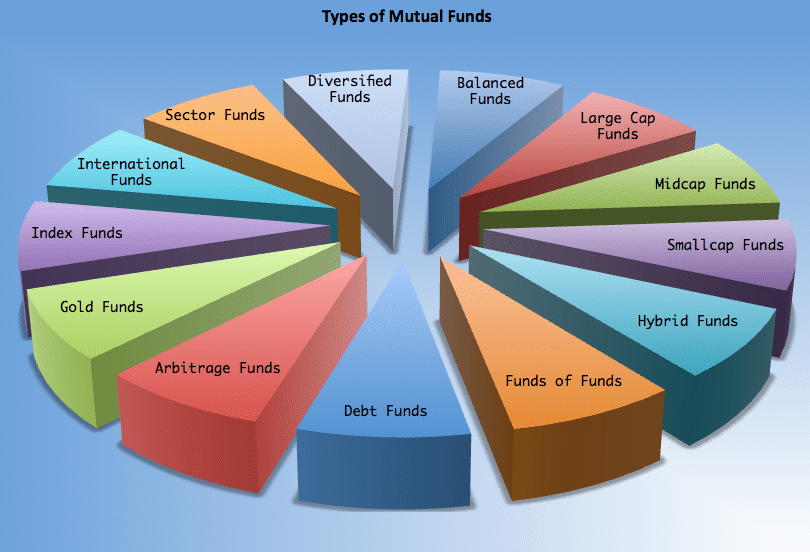
Types of Mutual Funds for Diversification

Current Portfolio Value

Total Investments: ₹9+ lakhs

Home Down Payment Fund: ₹10 lakhs (in liquid funds)

Investment Duration: 2-3 years

Monthly Savings Rate: ₹7,500+ (25% of income)

Strategic Home Loan Planning

Property Purchase Details

Property Value: ₹25 Lakhs

• Down Payment Paid: ₹2 lakhs ✓

• Additional Payment Arranged: ₹10 lakhs ✓

• Home Loan Required: ₹13 lakhs

• Expected Completion: 1.5-2 years

EMI Calculation

• Loan Amount: ₹13 lakhs

• Interest Rate: 8.5% annually

• Loan Tenure: 20 years

Monthly EMI: ₹11,280

EMI Affordability Analysis

• Current Rent: ₹7,000/month

• Net Additional EMI: ₹4,280/month

• Current Monthly Savings: ₹7,500

Easily Affordable! ✓

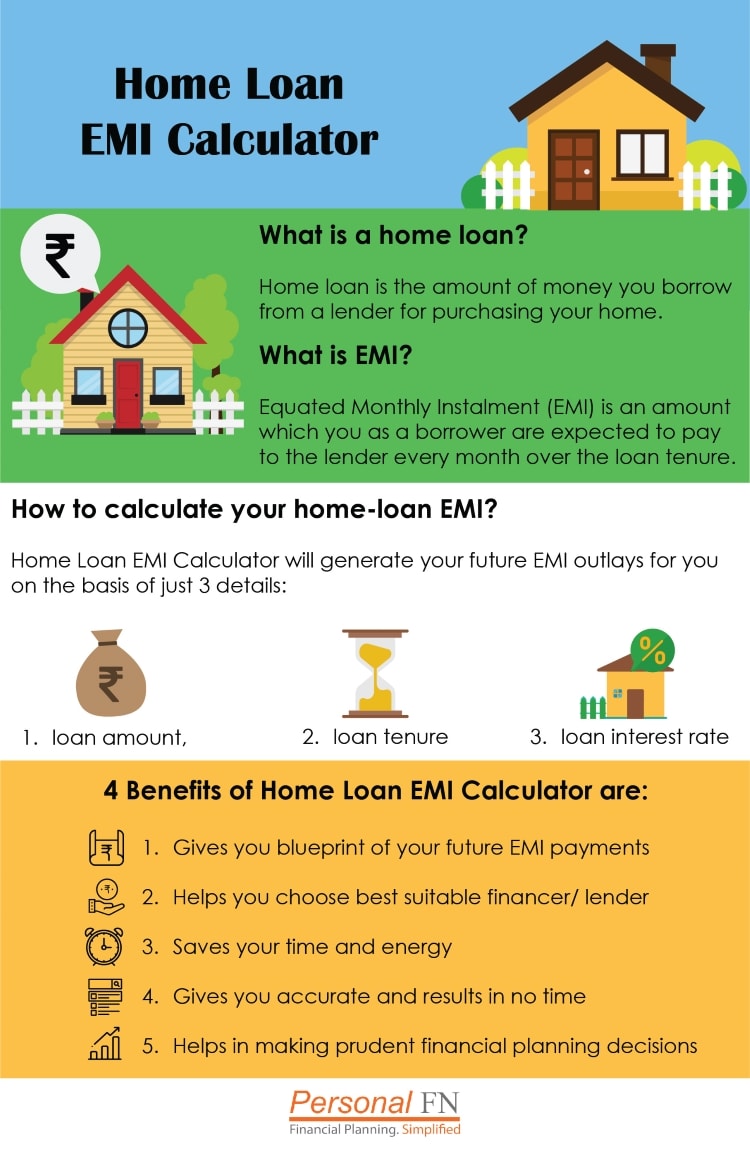
Home Loan EMI Calculator Guide

Smart Strategy Tips

  • • Pay one extra EMI annually to reduce tenure
  • • Increase EMI by 10% yearly if possible
  • • With these strategies: 20-year loan becomes 9-10 years!
  • • Rent savings (₹7,000) makes EMI very manageable

Retirement Corpus Projection: The ₹5+ Crore Journey

₹25.9 Lakhs

At Age 43 (10 years)

Early wealth accumulation

₹1.62 Crores

At Age 53 (20 years)

Crossing the crore mark

₹5.37 Crores

At Age 60 (27 years)

Retirement corpus target

Projection Breakdown by Asset Class:

Equity MFs (₹4,000 SIP)

₹5.37 crores at 60

NPS (₹500)

₹5.25 lakhs at 60

Gold (5g)

₹4.58 lakhs at 60

EPF

₹37.8 lakhs at 60

Key Success Strategies: What Made Arindam's Plan Work

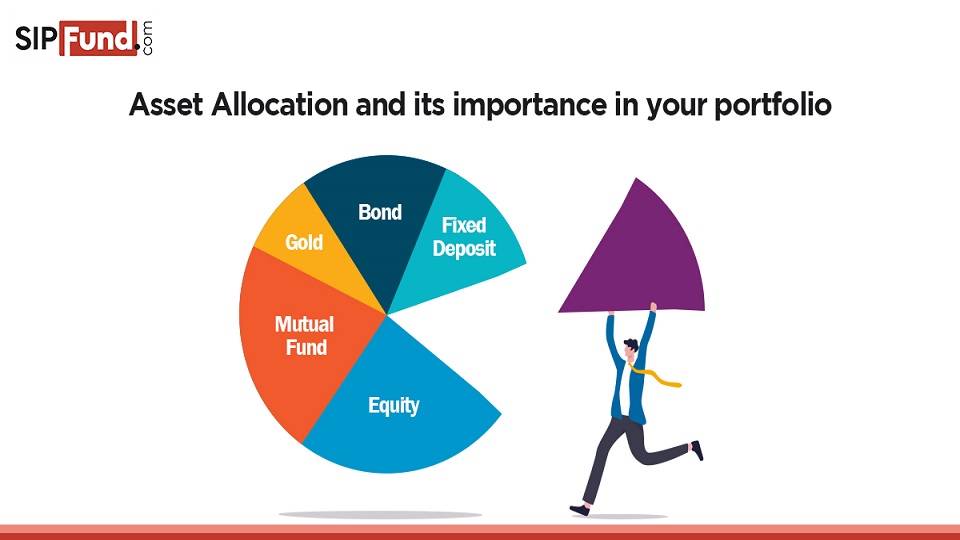
Asset Allocation Strategy

1. Disciplined SIP Investing

Started with just ₹1,000/month and gradually increased to ₹4,000 with 10% annual step-up. Consistency over 2-3 years created substantial corpus.

2. Smart Diversification

Balanced portfolio across Large Cap (₹2,000), Flexi Cap (₹1,500), and Small Cap (₹500) funds to optimize risk-return balance.

3. Goal-Based Planning

Separate funds for home purchase (liquid funds) and child's education, ensuring goals don't conflict with each other.

4. Comprehensive Protection

₹75 lakh term insurance until age 70, separate health insurance for family and mother, ensuring complete financial protection.

5. Strategic Home Buying

Planned home purchase with adequate down payment, ensuring EMI doesn't strain monthly budget after rent savings.

6. Continuous Learning

Followed financial education content consistently, applied learnings systematically without getting overwhelmed by complexity.

The Master Formula

  • ✓ Start early, even with small amounts
  • ✓ Increase investments by 10% annually
  • ✓ Diversify across asset classes
  • ✓ Stay consistent through market ups and downs
  • ✓ Plan for specific goals separately
  • ✓ Protect your wealth with adequate insurance

Practical Lessons for Middle-Class Families

Monthly Budget Breakdown

Monthly Income (In-hand) ₹30,000
Total Expenses ₹22,500
Rent: ₹7,000 | Utilities: ₹1,500 | Groceries: ₹3,500 | Transport: ₹2,000 | Medicine: ₹2,000 | Vegetables: ₹1,500 | Others: ₹5,000
Available for Savings/Investment ₹7,500
Savings Rate 25%

Implementation Roadmap

Month 1-6: Foundation

  • • Start with ₹1,000 SIP in diversified equity fund
  • • Open separate savings account for emergency fund
  • • Get basic health and term insurance

Month 6-12: Expansion

  • • Increase SIP to ₹2,000 across 2-3 funds
  • • Start NPS with ₹500/month
  • • Build 6-month emergency fund

Year 2+: Optimization

  • • Increase SIP by 10% annually
  • • Add goal-based investments
  • • Review and rebalance portfolio yearly

Expert Financial Planning Tips

Start Small, Think Big

Don't wait for a perfect salary to start investing. Even ₹500/month can compound into lakhs over 20-25 years. The key is to begin today and increase gradually.

Diversify Wisely

Spread investments across Large Cap (stability), Mid Cap (growth), and Small Cap (high growth potential). This balanced approach reduces risk while maximizing returns.

Time Is Your Friend

The earlier you start, the more time your money has to compound. Starting at 30 vs 40 can mean the difference between ₹5 crores and ₹2 crores at retirement.

Arindam's Success Mantras

  • "Small steps consistently taken lead to big results"
  • "Don't let low salary become an excuse for not investing"
  • "Educate yourself through reliable financial content"
  • "Plan for specific goals separately"
  • "Protection is as important as growth"
  • "Stay disciplined through market volatility"

The Power of Financial Discipline

Mutual Funds Retirement Strategy

Arindam's story is a powerful reminder that wealth building is not about how much you earn, but how wisely you manage and invest what you have. His journey from a government employee earning ₹30,000 to building a projected ₹5+ crore retirement corpus demonstrates the extraordinary power of financial discipline and strategic planning.

The key takeaways from his success are clear: start early, stay consistent, diversify intelligently, and never underestimate the power of compound interest. Whether you earn ₹25,000 or ₹25 lakhs, the principles of successful financial planning remain the same.

Your Financial Journey Starts Today

Don't wait for the "perfect" time or the "perfect" salary. Start with what you have, where you are, and let time and discipline work their magic. Your future self will thank you for the steps you take today.

Transform Your Financial Future

Remember, this article is for educational purposes only. Always consult with qualified financial advisors before making investment decisions. Start your journey today, but make informed choices.

Inspired by Ankur Warikoo's Money Matters Series | Educational Content Only | Not Financial Advice

Thursday, 7 August 2025

30K Income, 6.65 Lakh LOAN - 1 SOLUTION! | Money Matters

From ₹6.65 Lakh Debt to Financial Freedom: A Complete Guide to Debt Management for Young Professionals

From ₹6.65 Lakh Debt to Financial Freedom

A Complete Guide to Debt Management for Young Professionals

Based on Real Case Study from Ankur Warikoo's Money Matters Series

The Harsh Reality of Debt Trap

Meet Suraj, a 25-year-old pharmacy graduate from Bihar working in Bangalore. His story represents thousands of young professionals caught in the vicious cycle of debt - earning ₹30,000 per month but drowning in ₹6.65 lakh debt with EMIs exceeding his income.

This comprehensive guide breaks down his situation and provides actionable strategies that can help anyone escape the debt trap.

Warning: If you're using credit cards to pay EMIs, you're in a financial emergency!

Financial mistakes young professionals should avoid

Suraj's Financial Crisis: A Detailed Analysis

Monthly Income

₹30,000

Total Debt

₹6,65,000

Monthly EMIs

₹24,000+

Debt Breakdown Analysis

Monthly Cash Flow Crisis

Detailed Loan Analysis

Loan Type Outstanding Amount Monthly EMI Interest Rate Remaining Tenure
NBFC Personal Loan ₹4,35,000 ₹12,000 27% 36 months
ICICI Credit Card Loan ₹1,30,000 ₹4,800 ~36% 23 months
BYB App Loan ₹94,840 ₹4,742 ~30% 20 months
IDFC Personal Loan ₹25,893 ₹2,870 ~24% 9 months
Total ₹6,85,733 ₹24,412 High Interest -

Critical Problem Identified

Monthly Shortfall: ₹13,412

With ₹30,000 income, ₹19,000 living expenses, and ₹24,412 EMIs, Suraj faces a massive monthly deficit. He's currently using credit cards to bridge this gap - a dangerous practice that's pushing him deeper into debt.

Ankur Warikoo's Debt Recovery Strategy

Effective debt management strategies

The Only Way Out

According to financial expert Ankur Warikoo, there's only ONE solution for Suraj's situation:

Increase Income to ₹45,000+ per month

This requires earning an additional ₹15,000 monthly through multiple income streams

Step 1: Expense Reduction

  • • Reduce rent from ₹12,000 to ₹8,000-9,000
  • • Cut personal expenses from ₹4,500 to ₹3,000
  • • Eliminate dining out completely
  • • Target: Save ₹3,000-4,000 monthly

Step 2: Income Increase

  • • Seek 10-15% salary increment
  • • Start gig work (₹10,000+ monthly)
  • • Online tutoring (pharmacy knowledge)
  • • Target: Earn additional ₹13,000-15,000

Step 3: Timeline

  • • Commitment: Next 24 months
  • • Work 12-15 hours daily
  • • First loan clears in 9 months
  • • All debts clear in 2 years

Gig Economy Opportunities for Extra Income

High-Potential Gig Jobs in Bangalore

Bangalore's tech-enabled ecosystem offers numerous opportunities for young professionals to earn additional income during evening hours (7 PM - 12 AM).

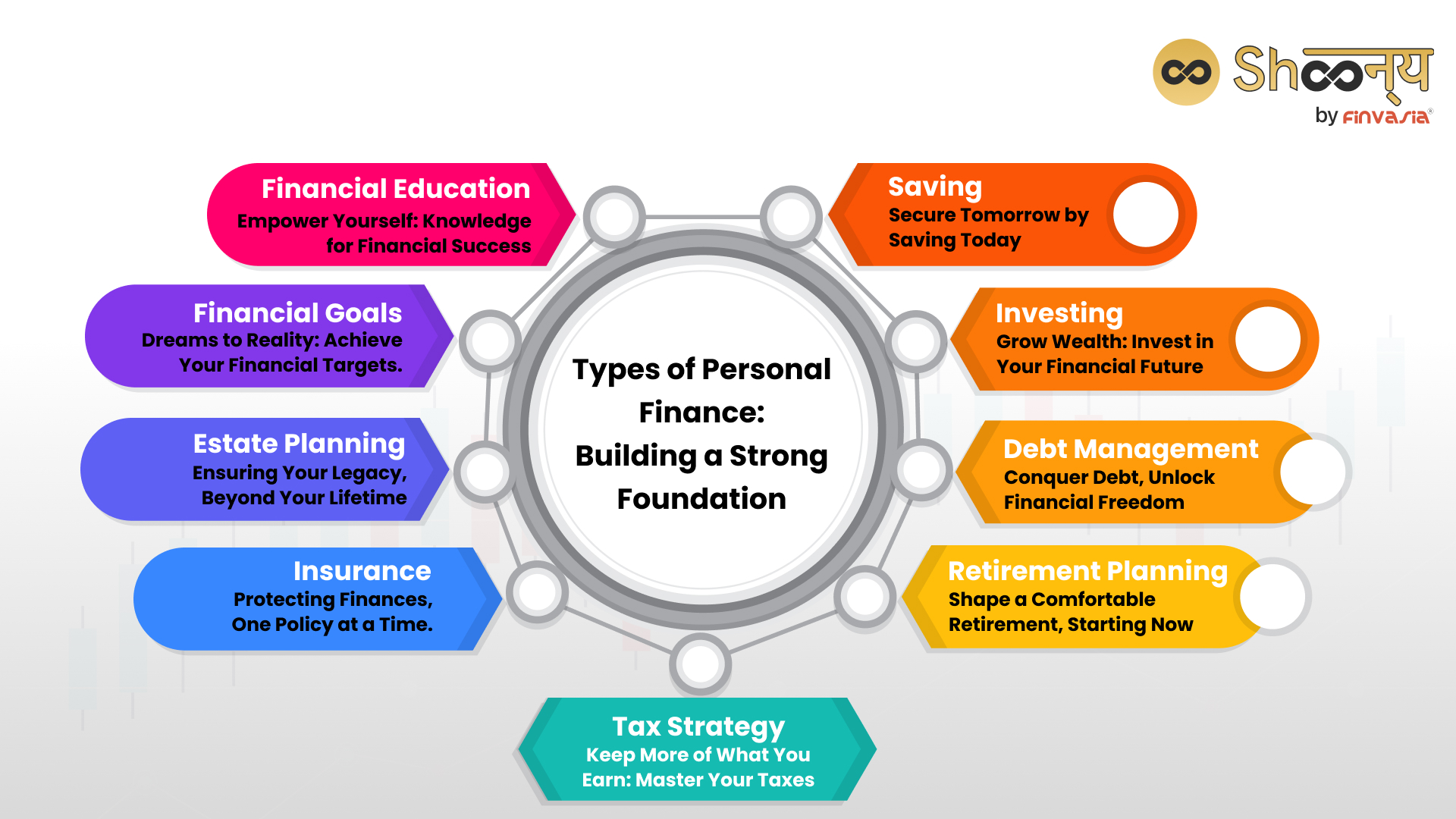
Building strong personal finance foundation

Food Delivery

Zomato, Swiggy

₹300-500/day

Grocery Delivery

Zepto, Blinkit

₹400-600/day

Online Tutoring

Pharmacy subjects

₹500-800/hour

Cab Services

Ola, Uber

₹500-700/day

Income Calculation

Working 5 hours daily (7 PM - 12 AM) for 25 days a month:

  • Food Delivery: ₹300 × 25 days = ₹7,500/month
  • Online Tutoring: ₹500 × 2 hours × 15 days = ₹15,000/month
  • Weekend Cab Service: ₹600 × 8 days = ₹4,800/month

Potential Additional Income: ₹10,000-15,000/month

The Credit Card Trap: Why It's Financial Suicide

Personal loans vs credit cards comparison

Suraj's Fatal Mistake

Currently using credit cards to manage the ₹13,412 monthly shortfall

Credit Card Cash Advance Rates:

  • Interest Rate: 35-45% per annum
  • Interest starts immediately
  • No grace period
  • Additional fees: 2.5-4%

The Compound Effect

If Suraj continues using credit cards for ₹13,000 monthly:

Month New Debt Interest (40%) Total Debt
Month 1₹13,000₹433₹13,433
Month 6₹78,000₹12,500₹90,500
Month 12₹1,56,000₹35,000₹1,91,000

In just one year, the additional debt would become ₹1.91 lakh!

24-Month Debt Recovery Timeline

Projected Recovery Path

Months 1-9: Foundation Phase

Actions:
  • Start gig work immediately
  • Negotiate salary increment
  • Reduce living expenses
  • Pay minimum EMIs only
Milestone:

IDFC loan (₹25,893) will be cleared in month 9, freeing up ₹2,870 monthly

Months 10-18: Acceleration Phase

Strategy:
  • Use freed ₹2,870 for other loans
  • Focus on highest interest loans
  • Consider loan refinancing if eligible
  • Maintain strict expense discipline
Progress:

BYB and ICICI loans should be significantly reduced or cleared

Months 19-24: Final Push

Focus:
  • Aggressively pay remaining NBFC loan
  • Continue multiple income streams
  • Build emergency fund
  • Plan for debt-free future
Goal:

Achieve complete debt freedom by month 24!

Expense Optimization: Every Rupee Counts

Budget recovery and financial planning

Current vs Optimized Expenses

Small reductions in each category can create significant monthly savings that accelerate debt repayment.

Expense Category Current Optimized Savings Strategy
Rent (Shared PG) ₹12,000 ₹8,500 ₹3,500 Find cheaper shared accommodation
Personal Expenses ₹4,500 ₹3,000 ₹1,500 Cook at home, eliminate dining out
Miscellaneous ₹2,500 ₹1,500 ₹1,000 Essential purchases only
Total ₹19,000 ₹13,000 ₹6,000 Monthly savings for debt repayment

Housing Strategy

  • • Look for 3-4 sharing instead of 2 sharing
  • • Consider locations 30-45 mins from office
  • • Negotiate rent based on longer stay
  • • Avoid broker fees

Food Strategy

  • • Cook all meals at home
  • • Bulk buy groceries
  • • Meal prep on weekends
  • • Zero dining out for 24 months

Lifestyle Changes

  • • Cancel all non-essential subscriptions
  • • Use public transport
  • • Minimize entertainment expenses
  • • Focus on free activities

The Psychology of Debt Recovery

Mental Health During Financial Crisis

Debt recovery isn't just about numbers - it's a mental and emotional journey that requires incredible strength and determination.

As Ankur Warikoo said to Suraj: "A person's courage is truly tested when being courageous is the only choice left."

Financial tips for young adults

Common Psychological Traps

  • Denial: "It's not that bad" or "Things will improve automatically"
  • Overwhelm: Feeling paralyzed by the size of the problem
  • Social Pressure: Maintaining lifestyle to "fit in"
  • Quick Fix Mentality: Looking for magical solutions

Success Mindset

  • Acceptance: Acknowledge the reality without sugar-coating
  • Action Orientation: Focus on what you can control
  • Long-term Vision: This is temporary, not permanent
  • Discipline: Saying no to yourself for future freedom

Warikoo's Hard Truth

"This advice may not sound good to you, and it breaks my heart to say this, but in your current situation, you might have to consider all these things. You cannot give yourself choices. You have to put yourself in that corner where you know you're trapped and there's only one way out - to work incredibly hard for the next two years to free yourself from all these loans."

The next 24 months will define the rest of Suraj's financial life. It's about choosing temporary discomfort for permanent freedom.

Prevention is Better Than Cure: Avoiding the Debt Trap

Financial planning strategies for young professionals

Learn from Suraj's Mistakes

Understanding how young professionals fall into debt traps can help you avoid the same pitfalls.

What Went Wrong

  • No Emergency Fund: Had to rely on loans for unexpected expenses
  • Easy Credit Access: Too many credit cards and app-based loans
  • Lifestyle Inflation: Expenses grew without corresponding income growth
  • Poor Planning: No clear repayment strategy
  • High-Interest Borrowing: Chose convenience over cost

Prevention Strategies

  • Emergency Fund: Save 6 months of expenses before taking any loans
  • Income-First Rule: Only borrow what you can repay with 40% of income
  • Interest Rate Awareness: Understand real cost before borrowing
  • Single Source: Consolidate debt from one low-interest source
  • Regular Review: Monitor debt-to-income ratio monthly

Healthy Debt Ratios for Young Professionals

≤30%

EMI to Income Ratio

Safe zone

30-40%

EMI to Income Ratio

Caution zone

>40%

EMI to Income Ratio

Danger zone

Suraj's ratio: 81% - Critical Emergency!

Success Metrics: Track Your Progress

0

Credit Card Usage

for EMI payments

45K+

Monthly Income

minimum target

13K

Monthly Expenses

optimized target

24

Months

to debt freedom

Monthly Progress Checklist

Income Targets

  • Primary job income maintained
  • Gig work income ≥ ₹10,000
  • Total income ≥ ₹45,000

Expense Controls

  • Living expenses ≤ ₹13,000
  • Zero dining out expenses
  • All EMIs paid on time

Life After Debt: Building Wealth for the Future

The MBA Question

Suraj's original plan was to pursue an MBA, which typically costs ₹5-20 lakhs. Here's the realistic timeline:

Years 1-2: Debt Clearance

Focus 100% on becoming debt-free

Year 3: Stabilization

Build emergency fund, improve job/salary

Year 4+: Growth

Consider MBA if financially viable

Personal finance terms and planning

5-Year Financial Roadmap

Year 1

Debt Reduction

-₹3L debt

Year 2

Debt Freedom

₹0 debt

Year 3

Emergency Fund

₹2L saved

Year 4

Investment Start

₹5L portfolio

Year 5

Wealth Building

₹10L+ assets

Your Personal Action Plan Template

Complete This Template Today

Don't just read this article - take action! Fill out this template to create your personalized debt recovery plan.

Step 1: Current Financial Assessment

Step 2: Expense Reduction Plan

Step 3: Additional Income Plan

Step 4: Timeline Commitment

The Road to Financial Freedom Starts Today

Suraj's story is not just about debt - it's about courage, determination, and the power of making difficult choices for a better tomorrow.

"A person's true courage is revealed when being courageous is their only choice left."
- Ankur Warikoo
24

Months of dedication

₹6.65L

Debt to eliminate

Years of financial freedom

Key Takeaways

  • Face Reality: Acknowledge the problem without denial
  • Cut Ruthlessly: Every rupee saved accelerates freedom
  • Work Multiple Jobs: There's no shame in honest work
  • Avoid Credit Cards: They're financial poison in debt situations
  • Stay Committed: 24 months of hardship for lifetime freedom

Take Action Today

Don't let this be just another article you read. Your financial future depends on the actions you take today.

Share This Article

Help other young professionals avoid the debt trap

Fill the Template

Create your personalized debt recovery plan today

Start Immediately

Begin your gig work search this evening

Remember: This article is based on Ankur Warikoo's Money Matters series. The strategies mentioned require professional financial advice for your specific situation.