Showing posts with label From State. Show all posts

Friday, 20 June 2025

Send money from USA to NRE account in 2025, Live Currency Conversion

Complete Guide: How to Send Money from USA to NRE Account in India (2024)

Complete Guide: Send Money from USA to NRE Account in India

Everything you need to know about transferring money to your NRE account in 2024

Updated January 2024 For NRIs & US Residents All Transfer Methods

Why This Guide Matters for NRIs

For millions of Non-Resident Indians (NRIs) living in the United States, sending money back to India is a regular necessity. Whether you're supporting family members, investing in property, or simply saving for the future, understanding how to efficiently transfer money to your NRE (Non-Resident External) account is crucial.

This comprehensive guide covers everything you need to know about transferring money from the USA to your NRE account in India, including the latest regulations, best transfer methods, hidden fees to avoid, and expert tips to save money on every transaction.

Did You Know? NRIs send over $100 billion annually to India, making it the world's largest recipient of remittances. Choosing the right transfer method can save you hundreds of dollars per year!
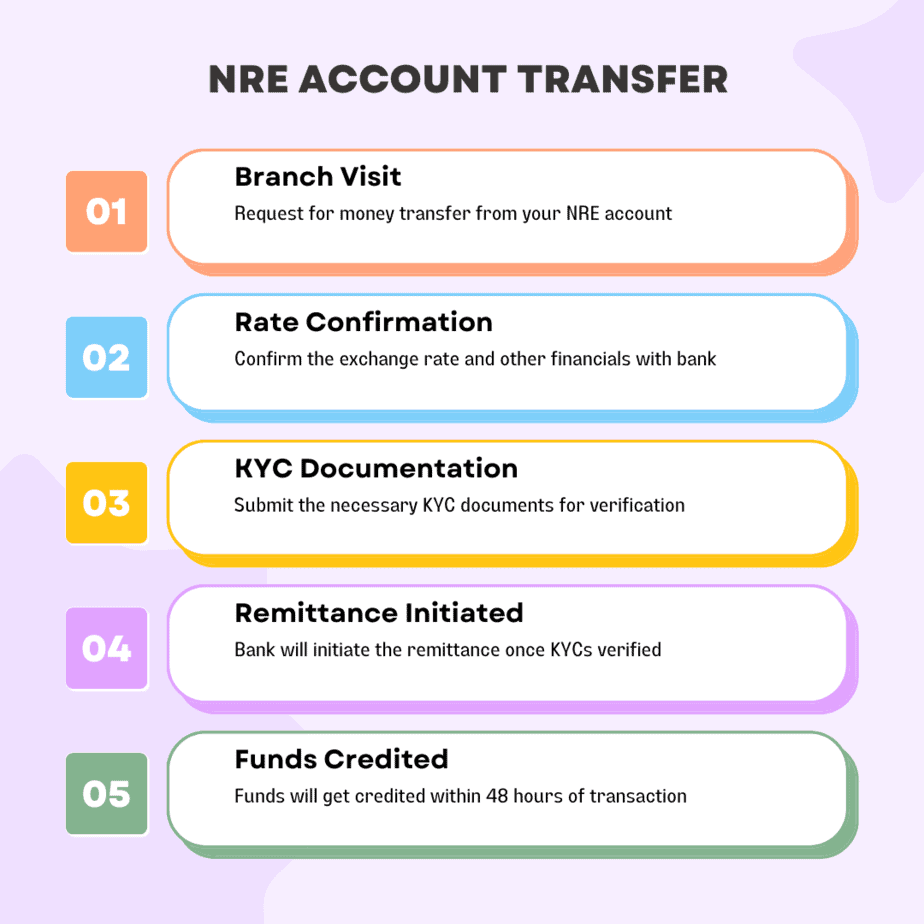
NRE Account Money Transfer Process

Understanding NRE Accounts: The Foundation

What is an NRE Account?

A Non-Resident External (NRE) account is a special type of bank account designed for NRIs to park their foreign earnings in India. It's denominated in Indian Rupees (INR) but can only receive funds from outside India.

Key Benefits

  • Tax-free interest earnings
  • Full repatriation rights
  • No transfer limits
  • Competitive interest rates

NRE vs NRO vs FCNR: Quick Comparison

Feature NRE Account NRO Account FCNR Account
Currency Indian Rupees (INR) Indian Rupees (INR) Foreign Currency
Source of Funds Foreign income only Indian & foreign income Foreign income only
Tax on Interest Tax-free Taxable Tax-free
Repatriation Fully repatriable Up to $1M/year Fully repatriable
Best For Regular remittances Local Indian income Forex hedging

Pro Tip

Most NRIs in the USA benefit from having both NRE and NRO accounts. Use your NRE account for transferring your US earnings and savings, while keeping an NRO account for any income generated within India (like rental income or dividends).

7 Ways to Send Money from USA to NRE Account

Online Money Transfer Services

Examples: Wise, Remitly, Western Union

Speed: Minutes to hours

Cost: Low to moderate fees

Best for: Regular transfers

Bank Wire Transfers

Examples: Chase, Bank of America, Wells Fargo

Speed: 1-5 business days

Cost: High fees ($15-50+)

Best for: Large amounts

Digital Wallets

Examples: PayPal, Skrill, Google Pay

Speed: Instant to hours

Cost: Variable fees

Best for: Small amounts

Indian Bank Services

Examples: ICICI Money2India, HDFC InstaReM

Speed: Same day to 24 hours

Cost: Competitive rates

Best for: Existing customers

Cryptocurrency

Examples: Coinbase, Binance (where legal)

Speed: Minutes to hours

Cost: Very low fees

Best for: Tech-savvy users

Demand Drafts/Checks

Examples: Foreign currency drafts

Speed: 7-15 business days

Cost: Moderate fees

Best for: One-time large transfers

Image: Popular Money Transfer Services Comparison
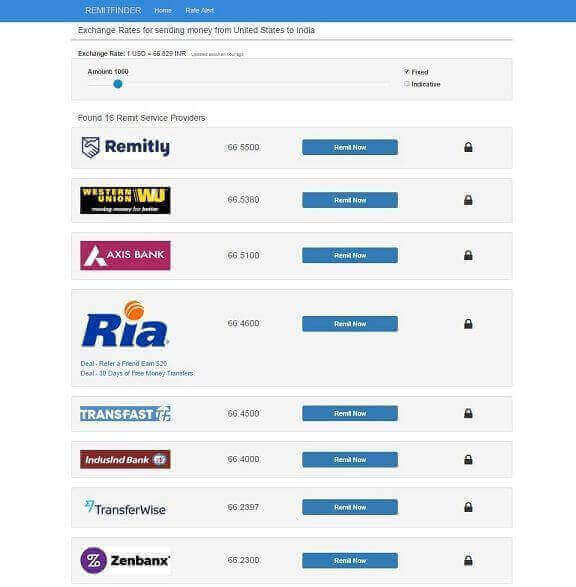
Money Transfer Services Comparison

Compare different money transfer services to find the best rates and fees

Step-by-Step Transfer Process

Method 1: Using Online Money Transfer Services (Recommended)

1

Choose Your Transfer Service

Research and compare popular services like Wise, Remitly, Western Union, or Xoom. Consider factors like exchange rates, fees, transfer speed, and user reviews.

Tip: Use comparison websites like CompareRemit or RemitFinder to find the best rates in real-time.

2

Create Account & Verify Identity

Sign up with your chosen service and complete KYC (Know Your Customer) verification. You'll need:

  • Government-issued photo ID (Driver's License/Passport)
  • Proof of US address (Utility bill/Bank statement)
  • Social Security Number (for US residents)
3

Enter Transfer Details

Provide the following information:

Sender Information:
  • • Full name and address
  • • Purpose of transfer
  • • Source of funds
Recipient Information:
  • • Your full name in India
  • • NRE account number
  • • Bank name and IFSC code
  • • Bank address
4

Review Exchange Rate & Fees

Carefully review the exchange rate, transfer fees, and total amount to be debited from your US account. The service should show you exactly how much your recipient will receive in INR.

Warning: Beware of services that advertise "no fees" but offer poor exchange rates. The real cost is often hidden in the exchange rate markup.

5

Choose Payment Method

Select how you want to pay for the transfer:

ACH Bank Transfer

Lowest fees, takes 1-3 days

Debit Card

Instant, moderate fees

Credit Card

Instant, highest fees

6

Submit Transfer & Track

Confirm all details and submit your transfer. You'll receive a confirmation email with a tracking number. Most services provide real-time updates via SMS or email.

Method 2: Bank Wire Transfer Process

Pros of Bank Wire Transfer

  • High security and reliability
  • No transfer limits
  • Direct bank-to-bank transfer
  • Established process

Cons of Bank Wire Transfer

  • High fees ($15-50+ per transfer)
  • Poor exchange rates
  • Slower processing (1-5 days)
  • Complex paperwork

Wire Transfer Steps:

  1. 1. Visit your bank branch or log into online banking
  2. 2. Request international wire transfer form
  3. 3. Provide recipient bank's SWIFT code and complete address
  4. 4. Include your NRE account details and Indian bank information
  5. 5. Pay the wire transfer fee (typically $15-50)
  6. 6. Receive confirmation and tracking reference
Best Ways to Send Money from US to India

Comparison of different money transfer methods from USA to India

Complete Fees & Costs Comparison

Understanding the True Cost of Transfer

The total cost of your transfer includes both visible fees and hidden costs in exchange rates. Always compare the total amount your recipient receives, not just the advertised fees.

Service Transfer Fee Exchange Rate Markup Speed Best For
Wise $4.14 (on $1000) 0.35-0.5% 1-2 days Regular transfers
Western Union $5-15 2-4% Minutes-hours Urgent transfers
Remitly $3.99-9.99 1-3% Minutes-hours First-time users
Xoom (PayPal) $0-4.99 2-3% Minutes-1 day PayPal users
ICICI Money2India $0-5 1-2% Same day ICICI customers
Bank Wire Transfer $15-50+ 3-5% 1-5 days Large amounts

Cost Calculation Example

Transfer Amount: $1,000

Mid-market Rate: 1 USD = 83.50 INR

Expected Amount: ₹83,500

Wise: ₹82,850 (₹650 total cost)
Western Union: ₹80,500 (₹3,000 total cost)
Bank Wire: ₹79,200 (₹4,300 total cost)

Money-Saving Tips

  • Compare real-time rates before transferring
  • Use ACH bank transfers instead of debit/credit cards
  • Transfer larger amounts less frequently
  • Look for first-time user promotions
  • Set up rate alerts for favorable exchange rates
  • Consider multi-currency accounts for better rates

Transfer Money from USA to India Process

Step-by-step process for transferring money from USA to India

Regulations & Compliance Requirements

US Regulations (FINCEN & IRS)

Bank Secrecy Act (BSA)

Transfers over $10,000 are automatically reported to FinCEN. Multiple smaller transfers that total $10,000+ may also trigger reporting.

FBAR Filing

US persons must file FBAR (Form 114) if foreign account balances exceed $10,000 at any time during the year.

Form 8938 (FATCA)

Report foreign accounts on your tax return if balances exceed specified thresholds ($50,000+ for single filers).

Indian Regulations (RBI & FEMA)

FEMA Compliance

All inward remittances must comply with Foreign Exchange Management Act regulations and specify purpose of transfer.

FIRC/FIRS Certificates

Banks issue Foreign Inward Remittance Certificates for tax filing and compliance purposes.

KYC Requirements

Indian banks must verify the identity of both sender and recipient for all international transfers.

Important Compliance Notes

  • Purpose Declaration: Always specify the legitimate purpose of your transfer (family support, investment, etc.)
  • Source of Funds: Be prepared to document that transferred funds come from legitimate sources
  • Record Keeping: Maintain all transfer receipts and certificates for tax filing purposes
  • Reporting Thresholds: Large transfers may require additional documentation and government reporting

Common Transfer Purposes (Select Appropriate Option)

Family Support

  • • Medical expenses
  • • Educational fees
  • • Living expenses
  • • Emergency support

Investment

  • • Mutual funds
  • • Fixed deposits
  • • Stock investments
  • • Real estate

Personal Savings

  • • Retirement planning
  • • Future expenses
  • • Emergency fund
  • • General savings

Expert Tips & Best Practices

Money-Saving Strategies

1. Time Your Transfers

Monitor USD-INR exchange rates and transfer when rates are favorable. Use rate alert tools to notify you of good exchange rates.

2. Consolidate Transfers

Make larger, less frequent transfers to reduce per-transaction costs. Most services have lower percentage fees for larger amounts.

3. Use Forward Contracts

For large transfers, consider forward contracts to lock in exchange rates for future transfers, protecting against currency volatility.

Security Best Practices

1. Verify Service Legitimacy

Only use licensed money transfer services. Check for regulatory compliance and customer reviews before sending money.

2. Double-Check Account Details

Verify recipient bank account number, IFSC code, and name spelling. Incorrect details can delay or misdirect transfers.

3. Keep Transfer Records

Save all confirmation emails, receipts, and reference numbers. You'll need these for tracking and tax purposes.

Expert's Top Recommendation

For Regular Transfers ($500-$5,000)

Use Wise (formerly TransferWise) for the best combination of low fees, competitive exchange rates, and reliability.

  • • Real mid-market exchange rates
  • • Transparent fee structure
  • • Fast processing (1-2 days)
  • • Excellent customer support

For Large Transfers ($10,000+)

Consider ICICI Money2India or negotiate rates with your US bank for bulk transfers.

  • • Better rates for large amounts
  • • Direct bank relationships
  • • Specialized NRI services
  • • Premium customer support

Monthly Transfer Planning Calculator

Small Regular

$500-1K

Monthly transfers

Best: Wise, Remitly

Medium Periodic

$2K-5K

Quarterly transfers

Best: ICICI M2I, Wise

Large Bulk

$10K+

Annual transfers

Best: Bank wire, M2I

Frequently Asked Questions

What is the maximum amount I can send to my NRE account?

There is no maximum limit for sending money to your NRE account from abroad. However, your transfer service or bank may have their own limits. Transfers over $10,000 are reported to FinCEN in the US for compliance purposes.

How long does it take for money to reach my NRE account?

Transfer times vary by method:

  • • Online services: Minutes to 2 days
  • • Bank wire transfers: 1-5 business days
  • • Demand drafts: 7-15 business days

Do I need to pay taxes on money transferred to my NRE account?

In India, money deposited in NRE accounts from foreign sources is not taxable, and interest earned is also tax-free. However, you must comply with US tax obligations, including FBAR filing if your foreign account balances exceed $10,000.

Can I transfer money from my US checking account directly to NRE account?

Yes, you can transfer directly from your US bank account to your NRE account using various methods including online money transfer services, bank wire transfers, or your Indian bank's NRI services like ICICI Money2India.

What documents do I need for large transfers?

For transfers over $10,000, you may need:

  • • Source of funds documentation
  • • Purpose of transfer declaration
  • • Tax clearance certificates (if required)
  • • Enhanced KYC verification

Which is cheaper: wire transfer or online money transfer services?

Online money transfer services are typically much cheaper than bank wire transfers. While banks charge $15-50+ in fees plus poor exchange rates, services like Wise charge under $10 with competitive rates, potentially saving you hundreds of dollars per transfer.

Can I cancel a transfer after it's initiated?

Cancellation policies vary by service provider. Most online services allow cancellation within a short window (usually minutes to hours) before processing begins. Bank wire transfers are typically harder to cancel once initiated. Always check the specific cancellation policy before confirming your transfer.

What NRIs Are Saying

RK

Raj Kumar

Software Engineer, California

"Switched from bank wires to Wise after reading this guide. Saving over $200 per month on transfer fees! The process is so much simpler and faster."

PS

Priya Sharma

Doctor, Texas

"ICICI Money2India has been excellent for my large quarterly transfers. The rates are competitive and the NRI customer service is outstanding."

AM

Arjun Mehta

Business Analyst, New York

"This comprehensive guide helped me understand all the regulations and choose the right transfer method. Very detailed and practical advice."

Take Action: Start Saving on Your Transfers Today

Now that you understand all the options for sending money from USA to your NRE account, it's time to put this knowledge into action. The right choice can save you thousands of dollars annually while ensuring your money reaches India safely and quickly.

Compare rates and fees before every transfer
Set up rate alerts for favorable exchange rates
Keep all transfer records for tax compliance
Review and optimize your transfer strategy quarterly

Remember: The "best" transfer method depends on your specific needs - transfer amount, frequency, urgency, and fee tolerance. Use this guide as your reference and adjust your strategy as your circumstances change.

Money Transfer from USA to India

Make informed decisions for your international money transfers

Stay Updated with Exchange Rates & Transfer Tips

The world of international money transfers is constantly evolving. Stay informed about the latest rates, regulations, and money-saving opportunities.

Real-time Rate Tracking Regulatory Updates Money-Saving Tips

Last Updated: January 2024 | Information subject to change based on regulatory updates

Always verify current rates and regulations with your chosen transfer service
This guide is for informational purposes only. Always consult with financial and tax professionals for personalized advice.

Exchange rates and regulations are subject to change. Verify current information with service providers before making transfers.

Sunday, 25 May 2025

How to Recover a Failed or Lost Money Transfer to India"

How to Recover a Failed or Lost Money Transfer to India: Complete Recovery Guide

How to Recover a Failed or Lost Money Transfer to India: Complete Recovery Guide

A comprehensive guide to recovering your money when international transfers to India go wrong

Updated: May 25, 2025 12 min read 24 Comments
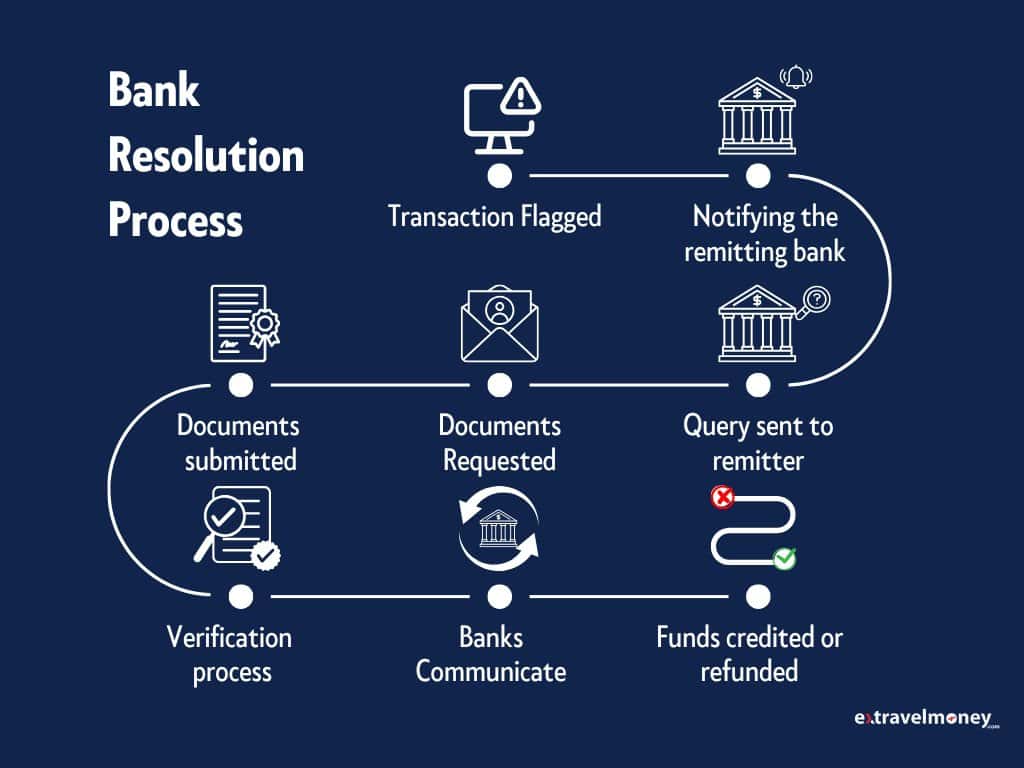
Money Transfer Recovery Process

The typical bank resolution process for international money transfer issues

Written by Financial Recovery Expert

International Remittance Specialist with over 10 years of experience helping clients recover failed transfers

Have you sent money to India only to discover your transfer has failed or gone missing? You're not alone. Every day, thousands of people face this stressful situation, wondering if they'll ever see their hard-earned money again.

The good news? Most failed transfers can be recovered if you know the right steps to take and act quickly. This comprehensive guide will walk you through exactly what to do when your money transfer to India goes wrong.

Understanding Why Money Transfers to India Fail

Before we dive into recovery steps, it's important to understand what causes international money transfers to India to fail in the first place. According to research, the most common reasons include:

Common Reasons for Failed International Transfers to India

  • Incorrect Beneficiary Details - Misspelled names, wrong account numbers, or incorrect IFSC codes
  • Insufficient Documentation - Missing KYC requirements or purpose codes required by Indian regulations
  • Compliance Issues - Transfers flagged by anti-money laundering or fraud prevention systems
  • Technical Issues - System failures at sending or receiving banks, SWIFT network problems
  • Intermediary Bank Delays - Funds held up at correspondent banks for additional verification
  • Currency Conversion Problems - Issues with exchange rate or forex regulations
  • Account Limitations - Recipient's account restrictions (dormant status, transaction limits)
  • Regulatory Changes - Unexpected RBI policy changes affecting international remittances
Fund Transfer Process Flowchart

Standard flowchart of the fund transfer process showing potential failure points

Step-by-Step Recovery Process for Failed Money Transfers to India

When your money transfer to India fails, time is of the essence. Follow these steps immediately to maximize your chances of recovering your funds:

Step 1: Verify the Transfer Details

Double-check all the information you provided for the transfer. A simple typo in the account number or beneficiary name could be the culprit.

  • Confirm the recipient's full name (exactly as it appears on their bank account)
  • Verify the account number and IFSC code
  • Check if you've provided all required information for international transfers to India

Step 2: Contact Your Sending Institution Immediately

Don't wait. Contact the bank or money transfer service you used to initiate the transfer as soon as possible.

  • Provide your transaction reference number
  • Explain that your transfer to India has failed or is missing
  • Ask them to initiate a trace or investigation
  • Request written confirmation of your complaint (this is crucial for escalation)

Pro tip: Most banks have a dedicated international remittance department - ask to speak directly with them.

Step 3: Request a SWIFT/GPI Trace

For wire transfers, ask your bank to initiate a SWIFT GPI trace to track exactly where your money is in the transfer process.

SWIFT GPI allows real-time tracking of international payments, showing which banks have received the funds and where they might be stuck.

Step 4: Contact the Receiving Bank in India

If your sending institution confirms the money left their system, contact the receiving bank in India directly.

  • Provide all transfer details and the SWIFT message reference
  • Ask them to check if the funds arrived but weren't credited to the account
  • Request information about any compliance holds or verification requirements

Step 5: Submit a Formal Complaint

If customer service doesn't resolve your issue within 3-5 business days, escalate by filing a formal complaint.

  • Submit a written complaint to your bank's complaint department
  • Include all transaction details and communication records
  • Set a clear timeframe for expected resolution (typically 30 days)

Step 6: Escalate to Regulatory Authorities

If your sending bank fails to resolve the issue, it's time to involve regulators.

For transfers sent from outside India:

  • File a complaint with your country's banking ombudsman or financial regulator
  • In the US, contact the Consumer Financial Protection Bureau (CFPB)
  • In the UK, contact the Financial Ombudsman Service

For the Indian side of the transaction:

  • Contact the RBI Banking Ombudsman
  • File a complaint through the RBI Complaint Management System (CMS) at https://cms.rbi.org.in
  • Call the RBI toll-free number: 14448

Recovery Success Rates

According to banking industry data, over 85% of failed international transfers are eventually recovered when proper procedures are followed. The key is to act quickly and document all communications.

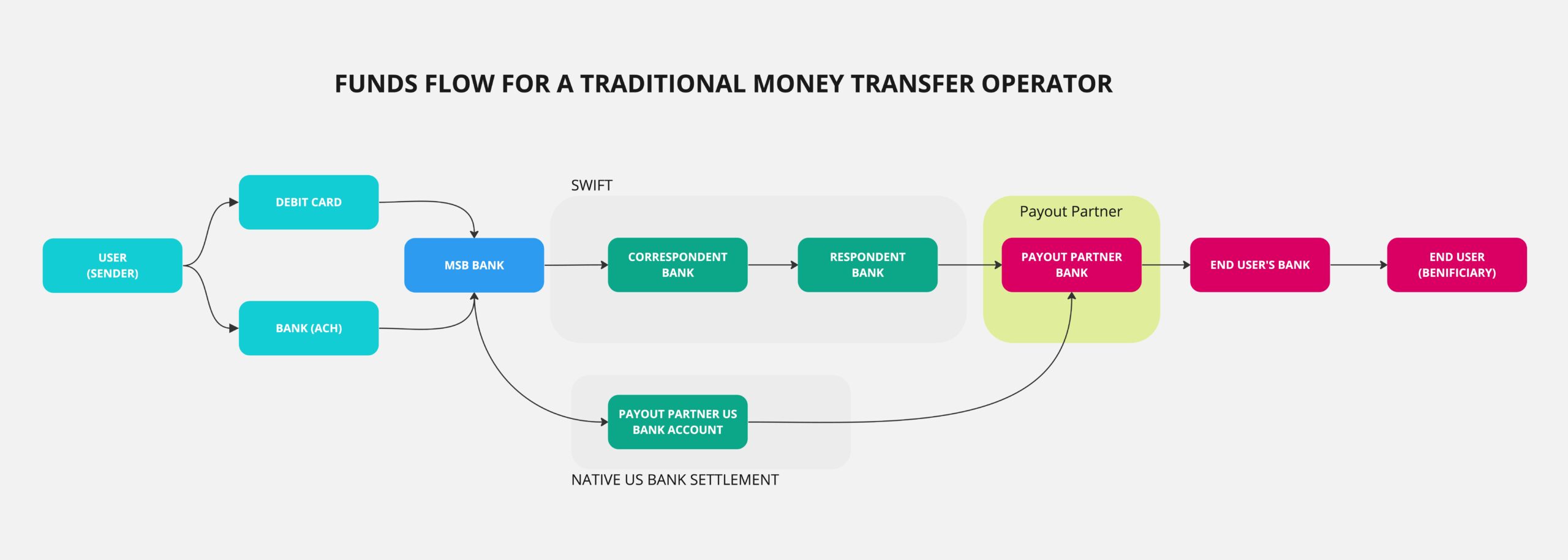
Money Transfer Fund Flow Diagram

Standard fund flow for a generic money transfer operation showing where failures can occur

RBI Guidelines for International Money Transfers to India

Understanding the Reserve Bank of India's regulations can help you both recover failed transfers and prevent future issues:

Key RBI Regulations for International Remittances

  • Foreign Exchange Management Act (FEMA) - Governs all foreign currency transactions into India
  • Purpose Codes - Transfers to India must include a purpose code indicating why money is being sent
  • KYC Requirements - Both sender and recipient must meet Know Your Customer guidelines
  • Rupee Drawing Arrangements (RDA) - Special framework for non-bank entities to facilitate remittances to India
  • Maximum Transfer Limits - Regulatory caps on transfer amounts (varies by purpose)

Important Note:

According to RBI guidelines, if your transfer fails due to incorrect beneficiary details, the money should be returned to your account within 30 days maximum. If this doesn't happen automatically, you must contact your bank.

How to Prevent Failed Money Transfers to India

Prevention is always better than recovery. Follow these best practices to ensure your future transfers to India go smoothly:

Before Initiating Transfer

  • Triple-check all recipient details (name, account number, IFSC code)
  • Verify the recipient's account is active and can receive international transfers
  • Understand all fees involved (including intermediary bank fees)
  • Choose reputable transfer services with good India corridors
  • Ensure you have all documentation ready (purpose of transfer, etc.)

During and After Transfer

  • Save all receipts and confirmation numbers
  • Track your transfer status using provided tools
  • Inform the recipient about the expected arrival date
  • Confirm receipt with the beneficiary
  • Report any delays immediately (don't wait)
International Payment Problems and Solutions

Common international payment problems that require effective solutions

Comparing Money Transfer Services to India by Reliability

Not all money transfer services are created equal when it comes to handling India-bound transfers. Here's how the major providers compare:

Transfer Service Recovery Support Transfer Success Rate Customer Service for Issues
Wise (TransferWise) Strong tracking tools, dedicated support team 98% ★★★★☆
Remitly 24/7 support, transfer guarantee 97% ★★★★☆
ICICI Money2India Specialized India corridor, branch support 96% ★★★☆☆
Xoom (PayPal) Money-back guarantee, fast support 95% ★★★☆☆
Western Union Extensive recovery network, in-person help 94% ★★★☆☆
Traditional Banks Formal investigation process, may be slower 90% ★★☆☆☆

Real Customer Experience: Recovering a Failed Transfer

"I sent $5,000 to my parents in Mumbai through my bank, but it never arrived. After 5 days of worry, I followed the exact steps outlined above—contacting my bank, requesting a SWIFT trace, and documenting everything. The issue turned out to be an intermediary bank holding the funds due to a name mismatch (my father's middle initial was missing). Once identified, the problem was resolved in 48 hours and the money arrived safely. The key was persistence and proper documentation."

— Raj P., Chicago

Frequently Asked Questions About Failed Money Transfers to India

How long does it typically take to recover a failed money transfer to India?

Recovery time varies based on the reason for failure. Simple issues like incorrect recipient details can be resolved in 3-7 business days. Complex regulatory or compliance issues may take 30-45 days. Bank-to-bank transfers generally take longer to resolve than specialized money transfer services.

Can I get my money back if I sent it to the wrong account in India?

Yes, but it's more challenging. Contact your sending institution immediately. According to RBI guidelines, while the bank cannot automatically reverse the transaction, you can file a formal complaint. If the recipient doesn't voluntarily return the funds, you may need to pursue legal options, which involve filing a police complaint and potentially court proceedings.

What happens if my money transfer fails due to regulatory or compliance issues?

If your transfer was flagged for regulatory or compliance reasons, the funds are typically held pending additional documentation or verification. You'll need to provide whatever information is requested, which might include proof of source of funds, purpose of transfer, or additional identity verification. Once satisfied, the transfer can proceed or funds will be returned to you.

Are there any fees involved in recovering a failed money transfer?

Most banks and transfer services don't charge additional fees for investigating failed transfers, especially if the failure wasn't your fault. However, wire recall fees may apply if you request to cancel a transfer that hasn't yet failed. Some banks charge trace fees for transfers over 30 days old. Always ask about potential recovery costs upfront.

How can I contact the RBI if my bank isn't helping resolve my failed transfer?

You can contact the RBI Banking Ombudsman by filing a complaint at https://cms.rbi.org.in, emailing crpc@rbi.org.in, or calling their toll-free number 14448. Make sure you've already gone through your bank's complaint process first, as the RBI typically requires this before intervening.

Conclusion: Staying Calm and Taking Action

Discovering that your money transfer to India has failed can be incredibly stressful, especially when those funds are meant for family needs, business operations, or important investments. Remember that the vast majority of failed transfers are eventually recovered when proper procedures are followed.

The key is to act swiftly, document everything, and escalate appropriately if initial attempts don't resolve the issue. By understanding the common failure points in international transfers to India and following the step-by-step recovery process outlined in this guide, you'll maximize your chances of a successful resolution.

And perhaps most importantly, use what you've learned to implement prevention strategies for your future transfers. Double-check recipient details, use reliable transfer services with strong India corridors, and keep proper records of all international money movements.

Key Takeaways:

  • Act immediately when a transfer fails - time is crucial
  • Contact your sending institution first, then escalate systematically
  • Request SWIFT traces for wire transfers
  • Document all communications and reference numbers
  • Understand RBI regulations to streamline the recovery process
  • Use reputable transfer services with strong track records for India remittances
  • Always triple-check recipient details before sending

Share Your Experience

Have you successfully recovered a failed money transfer to India? Or are you currently dealing with a transfer issue? Share your experience in the comments below to help others in the community.

Related Articles

Top 5 Safest Ways to Send Money to India in 2025

Compare the most secure and reliable methods for international remittance to India

Read More →

Understanding RBI's New Remittance Regulations for NRIs

Important changes affecting how Non-Resident Indians can transfer money home

Read More →

How to Save Money on Currency Exchange When Sending to India

Expert tips to get the best rates and minimize fees on USD to INR transfers

Read More →

Global Money Transfer Guide

Helping you navigate international money transfers with expert advice, comparisons, and problem-solving guides.

Subscribe to Our Newsletter

Get the latest updates on international transfer regulations and tips

© 2025 Global Money Transfer Guide. All rights reserved.

Disclaimer: This content is provided for informational purposes only and should not be considered legal, tax, or financial advice.